STORYTELLING
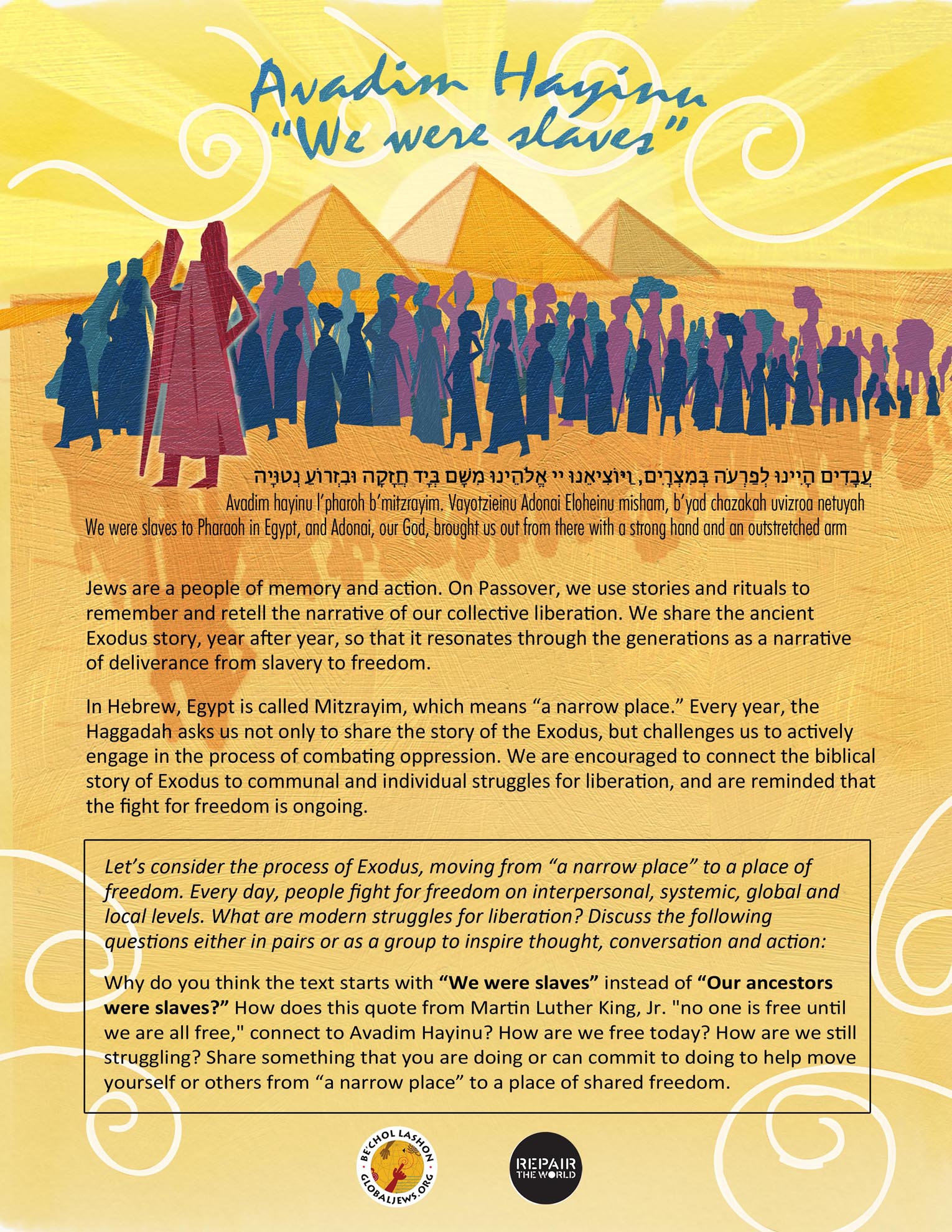
Leader: The Exodus story, though ancient, also resonates through the generations because it is the story of liberation and deliverance. For the Jewish communities of Ethiopia and Uganda, it is not hard to imagine themselves as coming out of Egypt, as they have experienced liberation and exodus not just as metaphors but as experiences in their lifetime.
Yeganyahu Avishai Mekonen
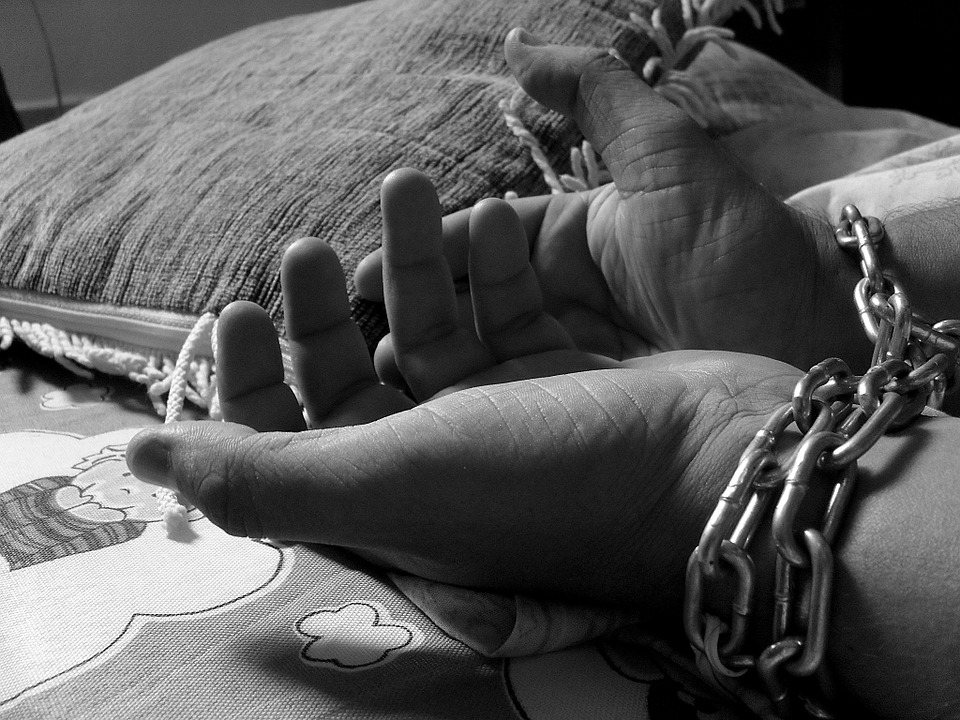
In 1984, the Beta Israel—a secluded 2,500-year-old community of observant Jews in the northern Ethiopian mountains—began a secret and dangerous journey of escape. His family embarked on the dangerous walk across Ethiopia to Sudan. This was a life-defining event for Avishai in many ways. Then 10 years old, he was kidnapped by slave traffickers in a Sudanese refugee camp. He was found by an Israeli special agent and returned to his family in time for them to board the plane to Israel as part of the Israeli airlift called Operation Moses. He made a documentary film about his experience, breaking his 20-year silence about the traumatic kidnapping he, along with other children, endured in Sudan. “400 Miles to Freedom” chronicles Avishai’s exploration of what it takes to claim one's own identity. From Israel to the United States he connects with other Jews of color with similar struggles, and discovers how his community's trek across Africa, and what happened to him along the way, is part of larger histories of people affected by immigration, war, and Diaspora.
Rabbi Gershom Sizomu
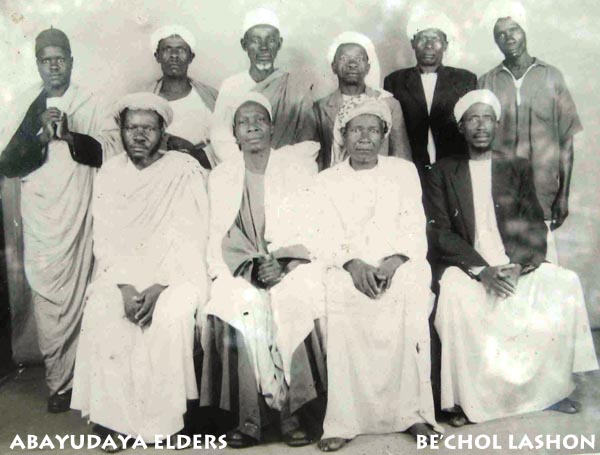
Rabbi Gershom Sizomu is the leader of the Abayudaya Jews of Uganda, which means “people of Judah.” This 2,000 strong community in Eastern Africa has only been in existence since 1919. According to Rabbi Sizomu, “At Passover, every person is supposed to feel as though he himself left Egypt. But we do not need to imagine, we were rescued from ‘slavery’ and saved by divine intervention in order to celebrate. When dictator Idi Amin Dada took power in Uganda in 1971, the practice of Judaism was outlawed. My father was caught studying Torah and only survived after the officer demanded a bribe. Three leaders of the community. were arrested and tortured for collecting iron sheets that had been blown off the roof of the Synagogue. In April 1979, on Passover, Ugandan rebels kicked Idi Amin out and declared freedom of worship. This was considered a miracle from above and Passover remains a special moment for all us. It is amazing that the reign of terror ended and that freedom of worship was reinstated at this season of freedom. That, Amin, like Pharoah, was humiliated on the Eve of Pesach could not have simply been a mere coincidence. It was our Passover miracle.”
The Racial Justice & Inclusivity Haggadah
Download here: https://globaljews.org/resources/holidays/passover/racial-justice-and-inclusivity-haggadah/
By Sarah Spencer
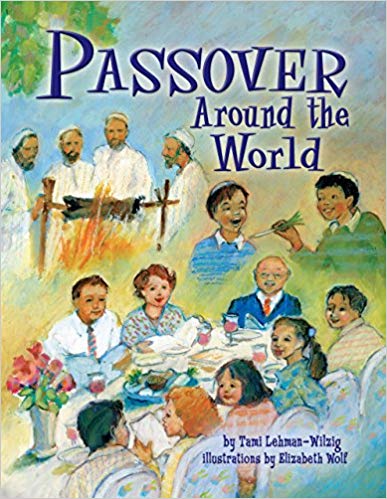
Passover is a time for people to gather around tables, share stories food and rituals. It can be joyous and exciting. But like with any communal setting, is can also be complicated to navigate the different needs and agendas people bring to the table. Still, if we follow Jewish tradition, we will find Passover can be a model for how to create positive diverse communal connections. Its rituals and structures teach us to talk across differences and celebrate commonalities.
Passover is about story telling. And good communication is based on the ability to tell our own stories. Before we gather to celebrate our common identity, we must each own our personal story. Judaism has an oral history, and we have survived by telling those stories and passing them down through the generations. Passover brings us together to celebrate a universal experience of slavery to freedom, a concept everyone can relate to in some way or another. This is the theme around which the story telling takes place on this particular evening. Having a common theme around which to tell stories, a theme with which people from different places or times can identify which, is one of the ways in which people can connect across differences.
Passover encourages us to invite strangers into our home so that we remember that we too were once strangers in own land. We are supposed to open the door and include the strange, the unfamiliar into our familiar Passover ceremony. We can only build strong community when we view the prospect of engaging others as a positive opportunity. Recognize that perhaps some of the people at our table may feel like strangers or that people already sitting at your table may be a stranger to your personal Passover story. We welcome others into our experience and learn about ourselves when we share our stories and hear other people’s experiences and perspectives.
Passover is all about asking questions; so is bridging differences. Ask questions of the people whom share Seder. Diversity is not about trying to understand somebody else’s experience as your own or listening politely while they speak. It is about engaging and learning so that you both might learn from your curiosity about their life. Sometimes it is difficult to ask questions about that which makes us different. Asking questions in a well structured and thought out way can help us navigate what can feel like difficult and unfamiliar territory.
There are many ways to ask questions: like the four children, we can be intentional about how we engage with one another, and need to recognize and celebrate that we all have different levels of skill and capacity when it comes to asking— some are wise, some wicked, some ignorant, and some don’t even know how to ask. Regardless of how we may ask or be asked, it is our engagement with one another that will ensure we continue to grow as individuals and as a people.
The traditional Seder is supposed to be a raucous affair, with food, song, ritual and debate. This historic framework provides a wonderful space for all of us to engage across differences.
showing
1-12
of
27
Page
1
of
3