By David Wolkin
This is adapted from an original post that I wrote in 2010.
The 10 Days of Repentance represent the window of time in between Rosh Hashanah and Yom Kippur, during which time we are meant to repent on the sins of the past year. I’ve always found it tough to focus on this and properly bring it down to earth, so I developed this writing exercise to help me through it. It can work for anyone, irrespective of faith. Read on…
Imagine if you had to spend 10 days in a room confronted with all of your sins/mistakes/wrongdoings of the past year:
1. What would that room look like? How big would it be?
2. Who or what would be in this room? Would there mostly be people in that room? Actions? Thoughts? Decisions? Ideas?
3. What what you say to them/what would they say to you?
4. What would it feel like to spend 10 days in there? Could you handle it?
5. What would you do with the time that you had in there? What would you address first, last?
At the end of those 10 days, whatever you do, it’s time for you to leave that room and close the door for the next year. But don’t close it all the way. Leave it just a little bit ajar. You may have done all you can, but accept the fact that come next year, you might re-enter that room and be confronted with some of the same things. And Yom Kippur comes along, you can be the one closing the gates, writing the book. You don’t have to let God make all of the decisions, since at the end of the day, so much of it is completely in your own hands.
Happy new year, everybody!
Our first toast is to Yom Truah, the Day of Reawakening. “Truah!” shouts the shofar, blasting the alarm buried in your soul. The shofar wakes us up, and it amplifies our voices, making our prayers heard. Move in your body, stand in your power and be loud.
Together, we raise a glass and make a Toast to Reawakening from Psalm 118:
“From the narrowness of distress, I called to God; and God answered me with the breath of Divine relief. You have heard my voice; do not shut Your ear.”
Blessing for Hearing the Shofar
Baruch atah Adonai Eloheinu melekh ha-olam asher kidshanu b’mitzvotav v’tzivanu lishmoa kol shofar.
We praise You, Eternal God, Ruler of the universe, who has made us holy with commandments, and who has commanded us to hear the voice of the shofar.
Reflection Questions for Yom Truah - Day of Reawakening
When was I asleep in the past year?
What do I want to be alert to in the year to come?
High Holidays in Five Senses
As the light and the weather shift in this sacred time of transition, we're invited to enter a new season and a new year. Take a deep breath as you consider how each of your senses connects to the High Holidays.
What do the High Holidays smell like?
They smell of freshly-baked sweet challah, the vanilla-y pages of an old book, your grandfather’s aftershave, the tang of the etrog and the perfume of lulav branches.
What do the High Holidays feel like?
They feel like fists beating on chests, shifting your tush on a wooden pew in an unairconditioned sanctuary, running your fingers through the fringes of a tallit, dropping crumbs into the water as you cast your sins away, sticky honey dripping onto your fingers.
What do the High Holidays taste like?
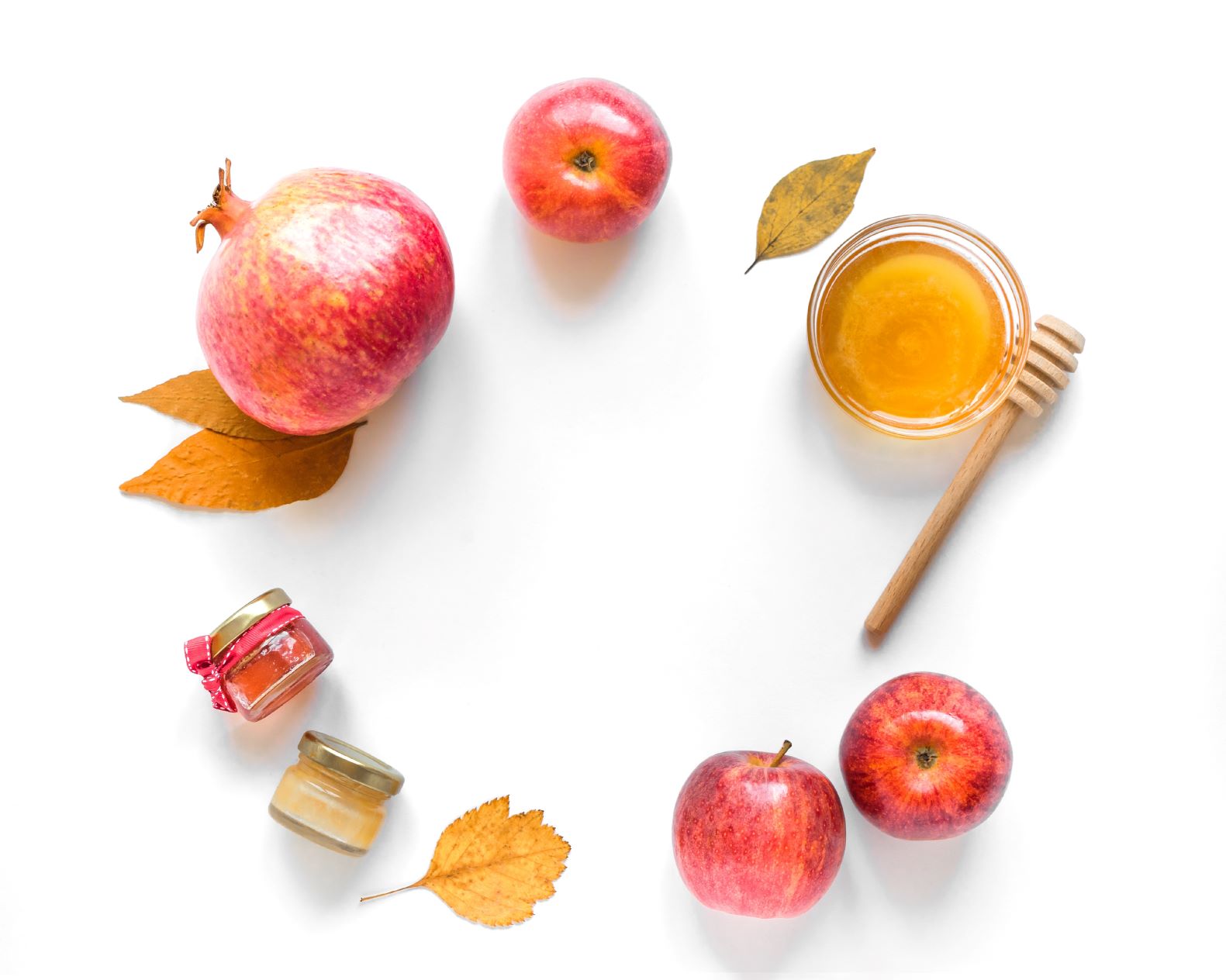
They taste of honey, pomegranates, apples, dates, carrots and squash, sweet challah with raisins, tsimmes and taiglach, shirin polo and khoresh fesenjan, hoppin john and greens.
What do the High Holidays look like?
They look like a room of people wearing their best new outfits, palm branches carefully placed on top of a tiny hut, the entire scroll of the Torah unrolled and encircling everyone, your grandmother’s china hauled out from its secure hiding place and arranged on the table.
What do the High Holidays sound like?
They sound like the blast of the shofar, the crunch of newly-fallen leaves, the mumbles of people stumbling through prayers said sporadically, shouts of “Shana tova!” and hymns at once deeply familiar and utterly foreign.
By David Wolkin
This is adapted from an original post that I wrote in 2010.
The 10 Days of Repentance represent the window of time in between Rosh Hashanah and Yom Kippur, during which time we are meant to repent on the sins of the past year. I’ve always found it tough to focus on this and properly bring it down to earth, so I developed this writing exercise to help me through it. It can work for anyone, irrespective of faith. Read on…
Imagine if you had to spend 10 days in a room confronted with all of your sins/mistakes/wrongdoings of the past year:
1. What would that room look like? How big would it be?
2. Who or what would be in this room? Would there mostly be people in that room? Actions? Thoughts? Decisions? Ideas?
3. What what you say to them/what would they say to you?
4. What would it feel like to spend 10 days in there? Could you handle it?
5. What would you do with the time that you had in there? What would you address first, last?
At the end of those 10 days, whatever you do, it’s time for you to leave that room and close the door for the next year. But don’t close it all the way. Leave it just a little bit ajar. You may have done all you can, but accept the fact that come next year, you might re-enter that room and be confronted with some of the same things. And Yom Kippur comes along, you can be the one closing the gates, writing the book. You don’t have to let God make all of the decisions, since at the end of the day, so much of it is completely in your own hands.
Happy new year, everybody!
Our first toast is to Yom Truah, the Day of Reawakening. “Truah!” shouts the shofar, blasting the alarm buried in your soul. The shofar wakes us up, and it amplifies our voices, making our prayers heard. Move in your body, stand in your power and be loud.
Together, we raise a glass and make a Toast to Reawakening from Psalm 118:
“From the narrowness of distress, I called to God; and God answered me with the breath of Divine relief. You have heard my voice; do not shut Your ear.”
Blessing for Hearing the Shofar
Baruch atah Adonai Eloheinu melekh ha-olam asher kidshanu b’mitzvotav v’tzivanu lishmoa kol shofar.
We praise You, Eternal God, Ruler of the universe, who has made us holy with commandments, and who has commanded us to hear the voice of the shofar.
Reflection Questions for Yom Truah - Day of Reawakening
When was I asleep in the past year?
What do I want to be alert to in the year to come?
High Holidays in Five Senses
As the light and the weather shift in this sacred time of transition, we're invited to enter a new season and a new year. Take a deep breath as you consider how each of your senses connects to the High Holidays.
What do the High Holidays smell like?
They smell of freshly-baked sweet challah, the vanilla-y pages of an old book, your grandfather’s aftershave, the tang of the etrog and the perfume of lulav branches.
What do the High Holidays feel like?
They feel like fists beating on chests, shifting your tush on a wooden pew in an unairconditioned sanctuary, running your fingers through the fringes of a tallit, dropping crumbs into the water as you cast your sins away, sticky honey dripping onto your fingers.
What do the High Holidays taste like?
They taste of honey, pomegranates, apples, dates, carrots and squash, sweet challah with raisins, tsimmes and taiglach, shirin polo and khoresh fesenjan, hoppin john and greens.
What do the High Holidays look like?
They look like a room of people wearing their best new outfits, palm branches carefully placed on top of a tiny hut, the entire scroll of the Torah unrolled and encircling everyone, your grandmother’s china hauled out from its secure hiding place and arranged on the table.
What do the High Holidays sound like?
They sound like the blast of the shofar, the crunch of newly-fallen leaves, the mumbles of people stumbling through prayers said sporadically, shouts of “Shana tova!” and hymns at once deeply familiar and utterly foreign.
showing
1-6
of
44
Page
1
of
8