Download these simple guides for Rosh Hashanah, Yom Kippur, Sukkot, and more to celebrate the Jewish High Holidays at home, or mix and match from a variety of rituals and blessings to create your own meaningful holiday.
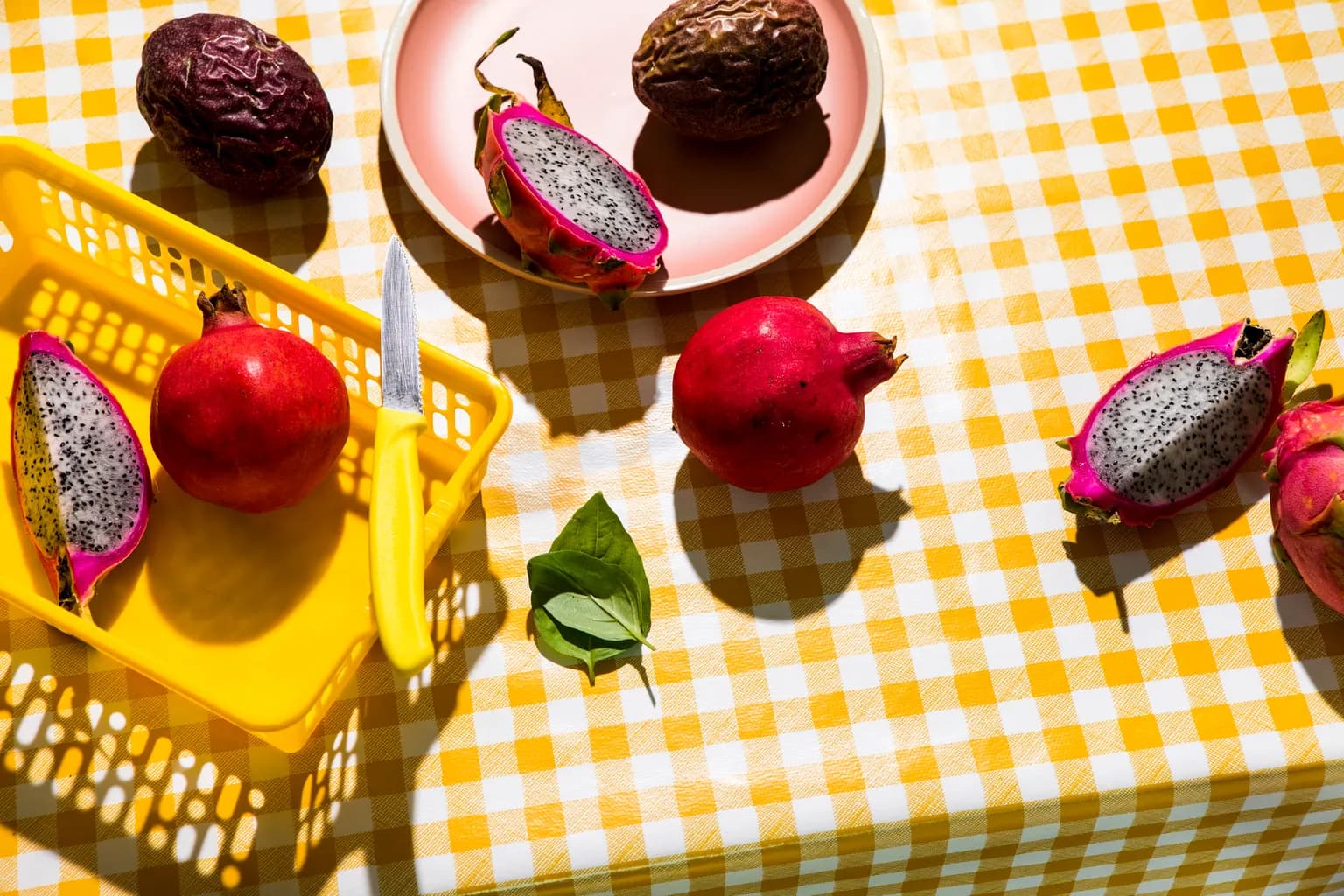
What Are The Jewish High Holidays?
The High Holidays, or High Holy Days, refers to an important period of Jewish holidays that arrive each fall to honor renewal, freedom, and forgiveness. The most popular holidays that occur during this period are Rosh Hashanah and Yom Kippur, but there are other holidays within this time period as well.
This year, Rosh Hashanah begins the evening of Friday, September 11, 2026 and ends the evening of Sunday, September 13, 2026. Rosh Hashanah literally means the “head of the year,” and is often referred to as the Jewish New Year. It’s customary to celebrate by having a special dinner and eating sweet foods, like apples dipped in honey. The traditional greeting on Rosh Hashanah is “shana tovah,” which means “have a good year.
This year, Yom Kippur begins the evening of Sunday, September 20, 2026 and ends the evening of Monday, September 21, 2026. Yom Kippur is arguably the holiest and most solemn day of the year for Jewish people. It is when Jews around the world ask for forgiveness for all of the things they have done wrong in the past year. It is customary to fast and refrain from food and water. There are a few appropriate greetings on Yom Kippur. You can say “have a meaningful holiday,” or “good yom tov,” which means “have a good holy day.” If someone is fasting, you can say “have a good fast” or “have an easy fast.”
Sukkot (known to some as the Feast of the Tabernacles) is a time to remember our wandering in the desert after escaping slavery in Egypt and reconnect with our agricultural roots. To celebrate, Jews construct a temporary outdoor dwelling called a Sukkah. The holiday is celebrated for seven days, and many Jews observe it by eating, drinking, relaxing, and even sleeping in their Sukkah. We also shake the branches of the lulav and an etrog fruit around our bodies to gather in the Divine. Sukkot begins the evening of Friday, September 25, 2026 and ends the evening of Friday, October 2, 2026.
Simchat Torah marks the day when we finish reading the Torah, and celebrate before we start all over again. It's a fun, happy holiday where we dance and parade around with the Torah. Celebrations typically take place at a synagogue, but there are also many ways to celebrate the joy of receiving the Torah at home as well!
Mix-and-match
Explore content in our extensive library and pull it together into your own Jewish ritual booklet that honors and recognizes whatever life has brought your way.
Share a ritual
Add your own original content as a clip to our extensive library - a poem, blessing, or something else entirely. Someone out there is looking for exactly what only you can create.
Support us
with your donation.
Help us build moments of meaning and connection through home-based Jewish rituals.
Featured ritual books
Shana Tova Coloring Book
Preview
High Holidays-Inspired Workbook
Preview
Illuminating Our Journey: High Holidays Guidebook
Preview
showing
1-6
of
76
Page
1
of
13
Featured clips
The shofar is our ancient, animalistic alarm clock. Hearing it tells us to wake up and it's a mitzvah, a commandment to hear its call. We say the first blessing before the shofar is sounded, then we say shehecheyanu, the blessing for milestones, to mark the occasion.
Baruch ata Adonai Eloheinu melekh ha-olam asher kidshanu b’mitzvotav v’tzivanu lishmoa kol shofar.
Blessed are You, Adonai our God, Ruler of the universe, who has made us holy with commandments, and who has commanded us to hear the voice of the shofar.
Baruch ata Adonai Eloheinu melekh ha-olam shehecheyanu v’kiyimanu v’higiyanu lazman ha-zeh.
Blessed are You, Adonai our God, Ruler of the universe, for giving us life, for sustaining us, and for enabling us to reach this season.

Rosh Hashanah Seder Plate Foods (Simanim)
Preview
More
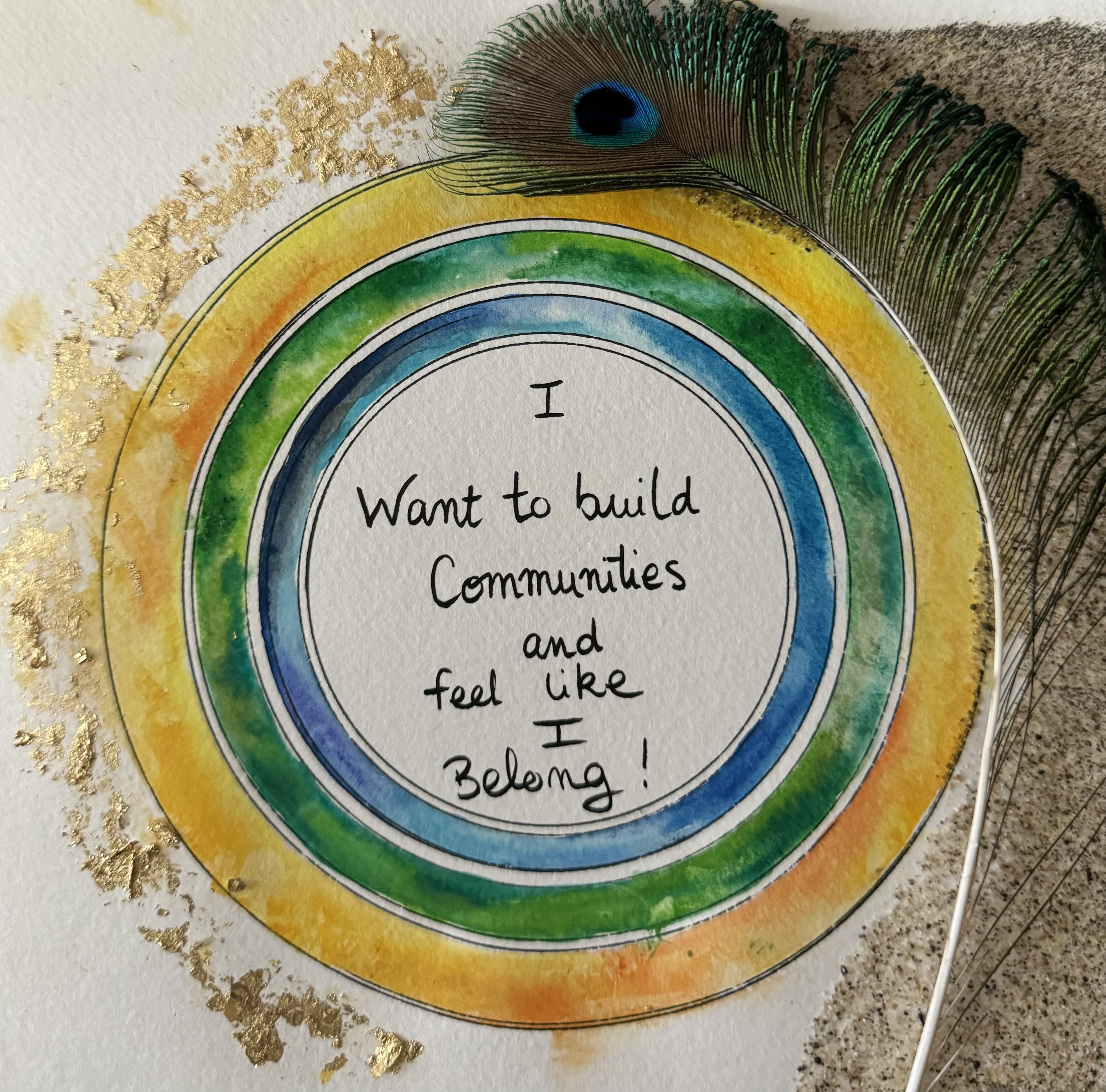
High Holiday Totem Affirmation | Blessing for the Home
Preview
More
As Jews in diaspora, we can struggle to find a connection to our homeland. But just like a tortoise in the desert, we take our home with us.
INSPIRATION
The inspiration for this practice comes from my intersectional roots as both Japanese and Jewish. My Japanese mother had a practice where we weren’t allowed to wear new shoes outside of the house without putting ashes on the soles. The ashes were from incense burned to honor our ancestors. As we walked out into the world, we brought our ancestors with us, and were indelibly connected to them.
INTENTION
This is a ritual for CONNECTION and RETURN to one’s roots, as well as a reminder that as much as it is there to protect us, we also have an obligation to be STEWARDS to our homeland - including and especially while in diaspora.
TIME FRAME
This ritual BEGINS at the start of Rosh Hashanah and ENDS at the conclusion of Yom Kippur.
THE RITUAL
TEXT IN RED should be said by the lead practitioner who is sharing this ritual with others, or if sole practitioner, said to themselves.
TEXT IN BLUE should be said by all, in unison.
BEGINNINGS
1)
*** This is your soil, brought forth by you, representing where you are today as your practice begins, and where your practice has led you. I
f you are returning, bring forth your soil which you have safeguarded on your journeys.***
2)
In the entranceway to your home, spill out your soil to create approximately one square foot of space, in any shape or form.
*** This is your soil in your home. It is yours to celebrate and connect with.***
3)
Write ISRAEL in the soil in your native language.
*** This square foot of earth IS your piece of Israel. It is your homeland. Your connection to it is ABSOLUTE through the fact of being Jewish. Your physical presence in diaspora, appearance or racial presentation, or blood quantum have no bearing on your legitimacy as a Jew with a connection to the land of Israel. Being Jewish is enough. YOU are enough.***
In your mother language, honoring the land, we say in unison:
“This is my land. This is my home. This is my Israel.”
EN/DURING
1)
Prepare with spiritual vigilance.
***At the end of each day, you will find your home soil WILL have been disturbed. Do not be shocked or surprised. Without vigilance, the forces of entropy will lay siege upon your earth. Wind may disturb it. An accidental footstep may disturb it. Those who are offended by the concept or word ISRAEL may intentionally attempt to erase ISRAEL from your soil, your home, and your heart. This is to be expected.***
2)
Restore.
***We will rebuild.***
At sunset each night, reinforce the edges where your earth has been disturbed. Retrace and rewrite the name of ISRAEL. Renew and replenish the earth as needed. You are the guardian and steward of this one square foot of ISRAEL. It is your responsibility to safeguard this small piece of soil that connects you to your homeland.
***We do not pretend to be surprised that there are those that would erase the name of Israel from the earth. But we do not shy away from our obligation to rebuild and restore it.***
Upon restoration, we say in unison:
“This is my land. This is my home. This is my Israel.”
RESOLUTION
1)
On the final night, at the end of Yom Kippur, you will reinforce your square foot of land, retrace the name of ISRAEL, and say in unison:
“This is my land. This is my home. This is my Israel.”
2)
***Safeguard this land and take ISRAEL with you.***
Upon restoration, gather the soil in your hands and pour it into a container to safeguard until the next Rosh Hashanah.
***Your soil can also be shared with others to bring with them through diaspora. Children can seed their containers from the soil of the parents. Newcomers to the practice can start their tradition through connection with your earth. Go forth as stewards, with ISRAEL in your heart.***
Ritual by Stephen Nolly
The Diaspora Tortoise by Stephen Nolly
Preview
More
showing
1-6
of
344
Page
1
of
58