ספירת העומר
Counting of the Omer begins on the second day of Pesach as spiritual preparation and anticipation for the giving of the Torah on Shavuot.
Count off fifty days up to the day after the seventh Sabbath, and then present an offering of new grain to the Lord.
— Leviticus 23:16
בָּרוּךְ אַתָּה אֲדֹנָי אֱלֹהֵינוּ מֶלֶךְ הָעוֹלָם אֲשֶׁר קִדְּשָׁנוּ בְּמִצְוֹתָיו וְצִוָּנוּ עַל סְפִירַת הָעֹמֶר
Blessed are you, God, ruler of the universe, who makes us holy with your good rules such as the Counting of the Sheaves.
Today is the ___ day of the Omer, which is ___ weeks and ___ days of the Omer.
Time for children (of all ages) to find and eat the Afikomen - remembering to balance the serious memories of slavery with the joyfulness of freedom.
The Persian/Sanskrit word, Kirpas, means "a fine linen."
Remember Joseph's brothers dipped his fancy coat in blood after selling him into slavery
—Genesis 37:31
Another Persian word, Karafs, means "a plant of which a salad is made." A Greek word, Karpos, means "fruit of land/rivers."*
Rather than dipping fine linen in blood, dip the parsley or celery into salt water.
בָּרוּךְ אַתָּה יי אֱלֹהֵינוּ מֶלֶךְ הָעוֹלָם, בּוֹרֵא פְּרִי הָאֲדָמָה
Blessed are you, God, ruler of the universe, who brings forth fruit of the earth.
----
*Gevaryahu, G. & Wise, M. 1999 "Why Does The Seder Begin With Karpas" Jewish Bible Quarterly 27:104-110
REMEMBER THIS DAY, when you went out of the Narrow Places, out of the house of bondage, for with a mighty hand, God took you out of here.
— Exodus 13:3.
I will walk about in freedom, for I have sought out your precepts.
— Psalms 119:45.
We shall live at last as free men on our own soil.
— Theodore Herzl
Freedom often improves with order; thus the Seder:
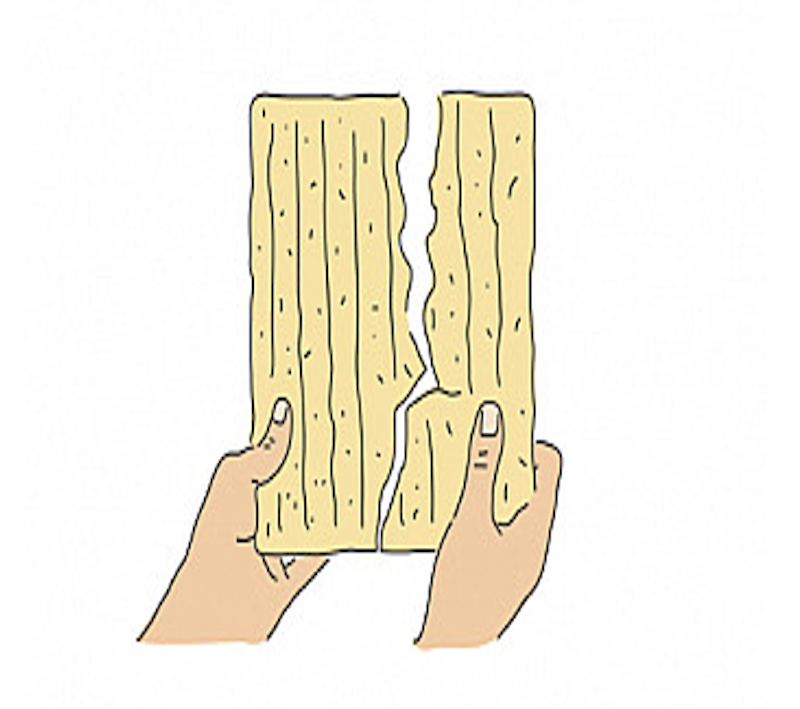
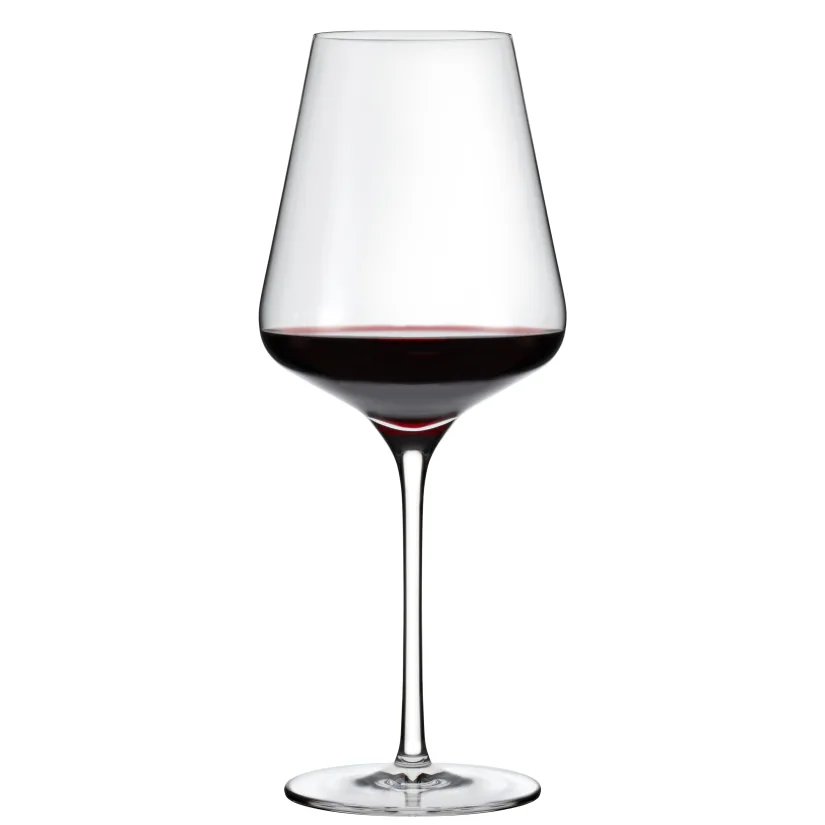
table-setting, candle-lighting, sacred-making, hand-washing, vegetable-dipping, Matzoh-breaking, question-asking, story-retelling, hand-washing again, motzi/matzoh/maror/Hillel-sandwich-making, EATING!, afikomen-finding, grace-reciting, Elijah/Miriam-welcoming, singing and - having consumed four or five or more cups of wine - hoping for more freedom.
Washing at this point raises the question: why now? Is it because slaves had no time to do it? Is it in gratitude for clean water?
Rabbi Elazar said that Rav Oshaya said: Anything that is dipped in a liquid before it is eaten requires the ritual of washing of hands, preventing people from making food ritually impure.
— Talmud Pesachim 115b
Wash this time without a blessing.
— Shulchan Aruch 158:4
Pour cup of water over one hand three times then the other; pat dry with a nice towel.
ספירת העומר
Counting of the Omer begins on the second day of Pesach as spiritual preparation and anticipation for the giving of the Torah on Shavuot.
Count off fifty days up to the day after the seventh Sabbath, and then present an offering of new grain to the Lord.
— Leviticus 23:16
בָּרוּךְ אַתָּה אֲדֹנָי אֱלֹהֵינוּ מֶלֶךְ הָעוֹלָם אֲשֶׁר קִדְּשָׁנוּ בְּמִצְוֹתָיו וְצִוָּנוּ עַל סְפִירַת הָעֹמֶר
Blessed are you, God, ruler of the universe, who makes us holy with your good rules such as the Counting of the Sheaves.
Today is the ___ day of the Omer, which is ___ weeks and ___ days of the Omer.
Time for children (of all ages) to find and eat the Afikomen - remembering to balance the serious memories of slavery with the joyfulness of freedom.
The Persian/Sanskrit word, Kirpas, means "a fine linen."
Remember Joseph's brothers dipped his fancy coat in blood after selling him into slavery
—Genesis 37:31
Another Persian word, Karafs, means "a plant of which a salad is made." A Greek word, Karpos, means "fruit of land/rivers."*
Rather than dipping fine linen in blood, dip the parsley or celery into salt water.
בָּרוּךְ אַתָּה יי אֱלֹהֵינוּ מֶלֶךְ הָעוֹלָם, בּוֹרֵא פְּרִי הָאֲדָמָה
Blessed are you, God, ruler of the universe, who brings forth fruit of the earth.
----
*Gevaryahu, G. & Wise, M. 1999 "Why Does The Seder Begin With Karpas" Jewish Bible Quarterly 27:104-110
REMEMBER THIS DAY, when you went out of the Narrow Places, out of the house of bondage, for with a mighty hand, God took you out of here.
— Exodus 13:3.
I will walk about in freedom, for I have sought out your precepts.
— Psalms 119:45.
We shall live at last as free men on our own soil.
— Theodore Herzl
Freedom often improves with order; thus the Seder:
table-setting, candle-lighting, sacred-making, hand-washing, vegetable-dipping, Matzoh-breaking, question-asking, story-retelling, hand-washing again, motzi/matzoh/maror/Hillel-sandwich-making, EATING!, afikomen-finding, grace-reciting, Elijah/Miriam-welcoming, singing and - having consumed four or five or more cups of wine - hoping for more freedom.
Washing at this point raises the question: why now? Is it because slaves had no time to do it? Is it in gratitude for clean water?
Rabbi Elazar said that Rav Oshaya said: Anything that is dipped in a liquid before it is eaten requires the ritual of washing of hands, preventing people from making food ritually impure.
— Talmud Pesachim 115b
Wash this time without a blessing.
— Shulchan Aruch 158:4
Pour cup of water over one hand three times then the other; pat dry with a nice towel.
showing
1-6
of
30
Page
1
of
5