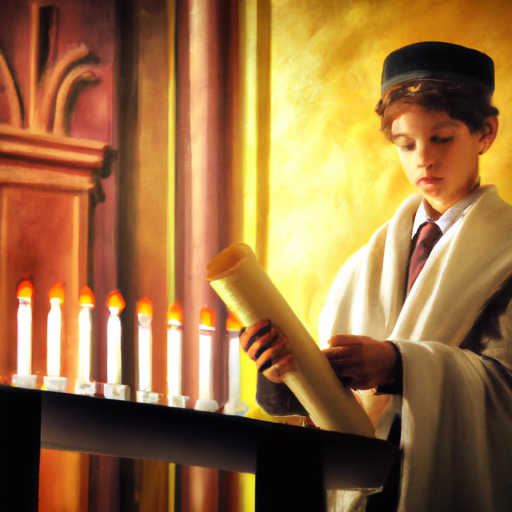
Finally, time to begin eating! Challah is a yummy egg bread eaten on most Jewish holidays. On Rosh Hashanah the challah is in the shape of a circle, to symbolize the circle of time, and the fullness of the year that is coming. Many people eat raisin challah on Rosh Hashanah, and drizzle honey on top of it, for extra sweetness. Yum!
בָּרוּךְ אַתָּה יְיָ אֱלֹהֵֽינוּ מֶֽלֶךְ הָעוֹלָם
הַמּֽוֹצִיא לֶֽחֶם מִן הָאָֽרֶץ
Barukh ata Adonai Eloheinu melekh ha’olam,
hamotzi lekhem min ha-aretz.
Blessed are You, Adonai our God,Ruler of the universe,
Who brings forth bread from the earth.
The Beginning
By Rachel Kann
If you can find stillness,
the jasmine will night-bloom in your direction
and the breeze
will carry its sacred exhalation of perfume
toward you.
Breathe,
the moon will cascade waves of radiance
downward,
drop her silver robes,
glow.
You will awaken,
overtaken by a love
that asks no permission,
golden particles rising
beneath your skin.
all of existence
longs to be an offering.
eternity is a constant whisper
wishing to be listened to.
This is the beginning.
This is only the beginning.
Let it in.
BIRKAT 'A-MAZON
(ZAHVALA NAKON JELA)
Ako je za stolom prisutno manje od tri muškarca starija od trinaest godina prelazi se odmah na "Birkat a-mazon" - bez formalnog poziva na blagosiljanje. Ako je prisutno tri i više (do deset) muškaraca starijih od trinaest godina poziva domaćin na blagoslov sljedećim riječima:
Domaćin: Nevareh šeahalnu mišelo!
Svi: Baruh šeahalnu mišelo, uvtuvo agadol hayinu!
Domaćin: Baruh šeahalnu mišelo, uvtuvo agadol hayinu!
Ako je prisutno deset i više muškaraca starijih od trinaest godina poziva domaćin na blagoslov sljedećim riječima:
Domaćin: Nevareh Eloenu šeahalnu mišelo!
Svi: Baruh Eloenu šeahalnu mišelo, uvtuvo agadol hayinu!
Domaćin: Baruh Eloenu šeahalnu mišelo, uvtuvo agadol hayinu!
Baruh Ata, Adonay, Eloenu, Meleh aolam, azan otanu veet aolam kulo betuvo: behen, uvhesed uvrahamim. Noten lehem lehol basar, ki leolam hasdo. Uvtuvo agadol lo hasar lanu, velo yehsar lanu mazon tamid, leolam vaed. Ki U zan umfarnes lakol, vešulhano aruh lakol. Veitkin mihya umazon lehol beriotav, ašer bara berahamav, uvrov hasadav - kaamur: "Poteah et yadeha, umasbia lehol hay racon." Baruh Ata, Adonay, azan et akol.
Al arcenu, veal nahalat avotenu node leha, Adonay, Eloenu, al šeinhalta laavotenu erec hemda, tova urhava, Berit veTora, hayim umazon, al šeocetanu meerec Micrayim, ufditanu mibet avadim, veal beriteha šehatamta bivsarenu, veal Torateha šelimadtanu veal huke reconeha šeodatanu, veal hayim umazon šeAta zan umfarnes otanu.
NA HANUKU I PURIM DODAJE SE OVDE: Al anisim, veal apurkan, veal agevurot, veal atešuot, veal aniflaot, veal anehamot šeasita laavotenu, bayamim aem, uvazeman aze.
NA PURIM DODAJE SE I OVAJ BLAGOSLOV: Bime Mordehay veEster, beŠušan abira, kešeamad aleem Aman araša, bikeš leašmid, laarog, ulabed et kol aYeudim, minear vead zaken, taf venašim, beyom ehad, bišloša asar lehodeš šnem asar - u hodeš adar - ušlalam lavoz. Veata, berahameha arabim, afarta et acato, vekilkalta et mahašavto, vaasevota lo gemulo berošo, vetalu oto, vet banav, al aec. Veasita imaem nisim veniflaot. - Venode lešimha agadol. - Sela!
NA HANUKU DODAJE SE I OVAJ BLAGOSLOV: Bime Matatyau ben Yohanan, Koen Gadol hašmonay, uvanav, kešeameda malhut Yavan arešaa al ameha Yisrael - leaškiham Torateha, uleaaviram mehuke reconeha. VeAta, berahameha arabim, amadta laem beet caratam, ravta et rivam, danta et dinam, nakamta et nikmatam. Masarta giborim beyad halašim, verabim beyad meatim, utmeim beyad teorim, uršaim beyad cadikim, vezedim beyad oseke Torateha, uleha asita šem gadol vekadoš beolameha, ulameha Yisrael asita tešua gedola, ufurkan keayom aze. Veahar kah bau vaneha lidvir beteha, ufinu et ehaleha, vetiaru et mikdašeha, veidliku nerot behacrot kodšeha, vekaveu šemonat yeme Hanuka elu, leodot ulealel lešimha agadol.
Veal akol, Adonay, Eloenu, anahnu modim lah, umvarhim et šemah, kamur: "Veahalta, vesavata uverahta et Adonay, Eloeha, al aarec atova ašer natan lah." Baruh Ata, Adonay, al aarec veal amazon.
Rahem, Adonay, Eloenu, alenu veal Yisrael amah, veal Yerušalayim irah, veal Ar Ciyon miškan kevodah, veal ehalah, veal meonah, veal devirah, veal aBayit agadol veakadoš, šenikra šimha alav. Avinu, renu, zunenu, parnesenu, halkelenu, arvihenu, arvah lanu mikol carotenu, veal tacrihenu Adonay, Eloenu, lide matnot basar vadam, velo lide alvaatam - šematnatam meuta veherpatam meruba - ela leyadeha, amelea vearehava, aašira veapetuha. Šelo nevoš baolam aze, velo nikalem leolam aba. Umalhut Bet David, Mešihah, tahazirena limkoma, bimeera veyamenu.
NA ŠABAT SE DODAJE: Rece veahalicenu Adonay, Eloenu, bemicvoteha uvmicvat yom aševii, aŠabat, agadol veakadoš aze. - Ki yom ze gadol vekadoš milefaneha. Nišbot bo, venanuah bo, beaava, kemicvat huke reconeha. Veal tei cara veyagon beyom menuhatenu. Vearenu benehamat Ciyon, bimeera veyamenu. - Ki Ata U Baal anehamot. Vegam šeahalnu vešatinu horban Beteha agadol veakadoš lo šahahnu. Al tiškahenu lanecah veal tiznahenu laad. - Ki El Meleh Gadol veKadoš Ata. Vetivne Yerušalayim, ireh, bimeera veyamenu.
TOKOM PESAHA I SUKOTA, TE NA ROŠ HODEŠ (MLADI MJESEC), DODAJE SE OVDE: Eloenu veEloe avotenu: yaale veyavo; yagia, yerae veyerace; yišama, yipaked vizaher zihronenu, vezihron avotenu; zihron Yerušalayim irah, vezihron Mašiah ben David avdah, vezihron kol ameha Bet Yisrael lefaneha: lifleta, letova, lehen, ulehesed ulerahamim beyom
(TOKOM PESAHA DODAJE SE: Hag amacot aze, uvYom (Tov) Mikra Kodeš aze.)
(TOKOM SUKOTA DODAJE SE: Hag asukot aze, uvYom (Tov) Mikra Kodeš aze.)
(NA MLADI MJESEC DODAJE SE: Roš Hodeš aze.)
Lerahem bo alenu ulošienu. Zohrenu Adonay, Eloenu, vo, letova. Ufokdenu, vo, livraha. Veoišenu, vo, lehayim tovim, bidvar yeóua verahamim. Hus vehonenu, vahamol verahem alenu veošienu - ki eleha enenu. Ki El Meleh Hanun veRahum Ata.
Baruh Ata, Adonay, bone, verahamav, Yerušalayim. - Amen!
Behayenu, uvhaye kol Kal Bet Yisrael tibane ir Ciyon, berina. Vetikon avodat akodeš birušalayim, vearmon al mišpato yešev bekarov kevarišona.
Baruh Ata, Adonay, Eloenu, Meleh aolam, laad aEl, Avinu, Malkenu, Adirenu, Borenu, Goalenu, Kedošenu, Kedoš Yaakov, Roenu, Roe Yisrael. aMeleh aTov veametiv lakol, óebehol yom vayom U metiv lanu, U etiv lanu, U yetiv lanu, U gomelenu, U gemalanu, U yigmelenu laad: hen, vahesed, verahamim, verevah, veacala vehol tov.
aRahaman, U, yištabah al kise kevodo. aRahaman, U, yištabah bašamayim uvaarec. aRahaman, U, yištabah banu ledor dorim. aRahaman, U, keren leamo yarim. aRahaman, U, yitpaar banu lanecah necahim. aRahaman, U, yefarnesenu: behavod - velo bevizuy; beeter - velo beisur; benahat - velo becaar. aRahaman, U, yiten šalom benenu. aRahaman, U, yiten beraha veaclaha behol maase yadenu. aRahaman, U, yacliah et derahenu. aRahaman, U, yišbor ol galut meal cavarenu. aRahaman, U, yolihenu meera komemiyut learcenu. aRahaman, U, yirpaenu refua šelema. aRahaman, U, yiftah lanu et yado arehava. aRahaman, U, yevareh kol ehad veehad mimenu bišmo agadol. - Kemo šenitbarehu avotenu Avraam Yichak veYaakov, bekol mikol kol, ken yevareh otanu, yahad, beraha šelema, vehen yei racon venomar: Amen!
aRahaman, U, yifros alenu sukat šelomo. aRahaman, U yita Torato veaavato belibenu, vetiye yirato al panenu - levilti neheta. NA ŠABAT SE DODAJE: aRahaman, U, yanhilenu olam šekulo Šabat umnuha, lehaye olaam aba.
NA JOM TOV (PRAZNIK) SE DODAJE: aRahaman, U, yanhielenu yom šekulo tov, leyom šekulo aruh, leyom šecadikim yoševim, veatroteem berošeem, venenim miziv a ehina.
GOST DODAJE: aRahaman, U, yevareh et ašulhan aze visaeder bo kol maadane olam. Veyiye kešulhano šel Avraam Avinu. - Kol rave mimenu yohal vehol came mimenu yište. aRahaman, U, yevareh et baal abayit aze, baalat abayit azot, uvaal aseuda azot. - Oto, uvanav, veišto, vehol ašer lo bevanim šelo yamutu uvinhasim šelo yitamu. Lo yevoš baolam aze, velo yikalem leolam aba. Veyiyu nehasav muclahim ukrovim lair, velo yišlot Satan bemaase yadav. Veal yizdakek lefanav šum devar het veirur avon meata vead olam.
aRahaman, U, yehayenu, vizakenu vikarevenu limot aMašiah, ulevinyan Bet aMikdaš, ulhaye olam aba. Migdol yešuot malko, veose hesed liMšiho, leDavid, ulzaro, ad olam. Kefirim rašu veraevu - vedoreše Adonay lo yahseru kol tov. Naar ayiti, gam zakanti, velo raiti cadik neezav, vezaro mevakeó lehem. Kol ayom honen umalve, vezaro livraha. Ma šeahalnu yiye lesava, uma šešatinu yiye lirfua, uma šeotarnu yiye livraha. - Kedihtiv: "Veyiten lifneem vayohelu vayotiru kidvar Adonay." Beruhim atem laAdonay, ose šamayim vaarec. Baruh agever ašer yivtah baAdonay, veaya Adonay mivtaho. Adonay oz leamo yiten. - Adonay yevareh et amo bašalom.
Ukoliko se Birkat amazon govori nad vinom:
Baruh Ata Adonaj, Eloenu Meleh aolam, bore peri agefen.
BIRKAT 'A-MAZON
(ZAHVALA NAKON JELA)
Ako je za stolom prisutno manje od tri muškarca starija od trinaest godina prelazi se odmah na "Birkat a-mazon" - bez formalnog poziva na blagosiljanje. Ako je prisutno tri i više (do deset) muškaraca starijih od trinaest godina poziva domaćin na blagoslov sljedećim riječima:
Domaćin: Nevareh šeahalnu mišelo!
Svi: Baruh šeahalnu mišelo, uvtuvo agadol hayinu!
Domaćin: Baruh šeahalnu mišelo, uvtuvo agadol hayinu!
Ako je prisutno deset i više muškaraca starijih od trinaest godina poziva domaćin na blagoslov sljedećim riječima:
Domaćin: Nevareh Eloenu šeahalnu mišelo!
Svi: Baruh Eloenu šeahalnu mišelo, uvtuvo agadol hayinu!
Domaćin: Baruh Eloenu šeahalnu mišelo, uvtuvo agadol hayinu!
Baruh Ata, Adonay, Eloenu, Meleh aolam, azan otanu veet aolam kulo betuvo: behen, uvhesed uvrahamim. Noten lehem lehol basar, ki leolam hasdo. Uvtuvo agadol lo hasar lanu, velo yehsar lanu mazon tamid, leolam vaed. Ki U zan umfarnes lakol, vešulhano aruh lakol. Veitkin mihya umazon lehol beriotav, ašer bara berahamav, uvrov hasadav - kaamur: "Poteah et yadeha, umasbia lehol hay racon." Baruh Ata, Adonay, azan et akol.
Al arcenu, veal nahalat avotenu node leha, Adonay, Eloenu, al šeinhalta laavotenu erec hemda, tova urhava, Berit veTora, hayim umazon, al šeocetanu meerec Micrayim, ufditanu mibet avadim, veal beriteha šehatamta bivsarenu, veal Torateha šelimadtanu veal huke reconeha šeodatanu, veal hayim umazon šeAta zan umfarnes otanu.
NA HANUKU I PURIM DODAJE SE OVDE: Al anisim, veal apurkan, veal agevurot, veal atešuot, veal aniflaot, veal anehamot šeasita laavotenu, bayamim aem, uvazeman aze.
NA PURIM DODAJE SE I OVAJ BLAGOSLOV: Bime Mordehay veEster, beŠušan abira, kešeamad aleem Aman araša, bikeš leašmid, laarog, ulabed et kol aYeudim, minear vead zaken, taf venašim, beyom ehad, bišloša asar lehodeš šnem asar - u hodeš adar - ušlalam lavoz. Veata, berahameha arabim, afarta et acato, vekilkalta et mahašavto, vaasevota lo gemulo berošo, vetalu oto, vet banav, al aec. Veasita imaem nisim veniflaot. - Venode lešimha agadol. - Sela!
NA HANUKU DODAJE SE I OVAJ BLAGOSLOV: Bime Matatyau ben Yohanan, Koen Gadol hašmonay, uvanav, kešeameda malhut Yavan arešaa al ameha Yisrael - leaškiham Torateha, uleaaviram mehuke reconeha. VeAta, berahameha arabim, amadta laem beet caratam, ravta et rivam, danta et dinam, nakamta et nikmatam. Masarta giborim beyad halašim, verabim beyad meatim, utmeim beyad teorim, uršaim beyad cadikim, vezedim beyad oseke Torateha, uleha asita šem gadol vekadoš beolameha, ulameha Yisrael asita tešua gedola, ufurkan keayom aze. Veahar kah bau vaneha lidvir beteha, ufinu et ehaleha, vetiaru et mikdašeha, veidliku nerot behacrot kodšeha, vekaveu šemonat yeme Hanuka elu, leodot ulealel lešimha agadol.
Veal akol, Adonay, Eloenu, anahnu modim lah, umvarhim et šemah, kamur: "Veahalta, vesavata uverahta et Adonay, Eloeha, al aarec atova ašer natan lah." Baruh Ata, Adonay, al aarec veal amazon.
Rahem, Adonay, Eloenu, alenu veal Yisrael amah, veal Yerušalayim irah, veal Ar Ciyon miškan kevodah, veal ehalah, veal meonah, veal devirah, veal aBayit agadol veakadoš, šenikra šimha alav. Avinu, renu, zunenu, parnesenu, halkelenu, arvihenu, arvah lanu mikol carotenu, veal tacrihenu Adonay, Eloenu, lide matnot basar vadam, velo lide alvaatam - šematnatam meuta veherpatam meruba - ela leyadeha, amelea vearehava, aašira veapetuha. Šelo nevoš baolam aze, velo nikalem leolam aba. Umalhut Bet David, Mešihah, tahazirena limkoma, bimeera veyamenu.
NA ŠABAT SE DODAJE: Rece veahalicenu Adonay, Eloenu, bemicvoteha uvmicvat yom aševii, aŠabat, agadol veakadoš aze. - Ki yom ze gadol vekadoš milefaneha. Nišbot bo, venanuah bo, beaava, kemicvat huke reconeha. Veal tei cara veyagon beyom menuhatenu. Vearenu benehamat Ciyon, bimeera veyamenu. - Ki Ata U Baal anehamot. Vegam šeahalnu vešatinu horban Beteha agadol veakadoš lo šahahnu. Al tiškahenu lanecah veal tiznahenu laad. - Ki El Meleh Gadol veKadoš Ata. Vetivne Yerušalayim, ireh, bimeera veyamenu.
TOKOM PESAHA I SUKOTA, TE NA ROŠ HODEŠ (MLADI MJESEC), DODAJE SE OVDE: Eloenu veEloe avotenu: yaale veyavo; yagia, yerae veyerace; yišama, yipaked vizaher zihronenu, vezihron avotenu; zihron Yerušalayim irah, vezihron Mašiah ben David avdah, vezihron kol ameha Bet Yisrael lefaneha: lifleta, letova, lehen, ulehesed ulerahamim beyom
(TOKOM PESAHA DODAJE SE: Hag amacot aze, uvYom (Tov) Mikra Kodeš aze.)
(TOKOM SUKOTA DODAJE SE: Hag asukot aze, uvYom (Tov) Mikra Kodeš aze.)
(NA MLADI MJESEC DODAJE SE: Roš Hodeš aze.)
Lerahem bo alenu ulošienu. Zohrenu Adonay, Eloenu, vo, letova. Ufokdenu, vo, livraha. Veoišenu, vo, lehayim tovim, bidvar yeóua verahamim. Hus vehonenu, vahamol verahem alenu veošienu - ki eleha enenu. Ki El Meleh Hanun veRahum Ata.
Baruh Ata, Adonay, bone, verahamav, Yerušalayim. - Amen!
Behayenu, uvhaye kol Kal Bet Yisrael tibane ir Ciyon, berina. Vetikon avodat akodeš birušalayim, vearmon al mišpato yešev bekarov kevarišona.
Baruh Ata, Adonay, Eloenu, Meleh aolam, laad aEl, Avinu, Malkenu, Adirenu, Borenu, Goalenu, Kedošenu, Kedoš Yaakov, Roenu, Roe Yisrael. aMeleh aTov veametiv lakol, óebehol yom vayom U metiv lanu, U etiv lanu, U yetiv lanu, U gomelenu, U gemalanu, U yigmelenu laad: hen, vahesed, verahamim, verevah, veacala vehol tov.
aRahaman, U, yištabah al kise kevodo. aRahaman, U, yištabah bašamayim uvaarec. aRahaman, U, yištabah banu ledor dorim. aRahaman, U, keren leamo yarim. aRahaman, U, yitpaar banu lanecah necahim. aRahaman, U, yefarnesenu: behavod - velo bevizuy; beeter - velo beisur; benahat - velo becaar. aRahaman, U, yiten šalom benenu. aRahaman, U, yiten beraha veaclaha behol maase yadenu. aRahaman, U, yacliah et derahenu. aRahaman, U, yišbor ol galut meal cavarenu. aRahaman, U, yolihenu meera komemiyut learcenu. aRahaman, U, yirpaenu refua šelema. aRahaman, U, yiftah lanu et yado arehava. aRahaman, U, yevareh kol ehad veehad mimenu bišmo agadol. - Kemo šenitbarehu avotenu Avraam Yichak veYaakov, bekol mikol kol, ken yevareh otanu, yahad, beraha šelema, vehen yei racon venomar: Amen!
aRahaman, U, yifros alenu sukat šelomo. aRahaman, U yita Torato veaavato belibenu, vetiye yirato al panenu - levilti neheta. NA ŠABAT SE DODAJE: aRahaman, U, yanhilenu olam šekulo Šabat umnuha, lehaye olaam aba.
NA JOM TOV (PRAZNIK) SE DODAJE: aRahaman, U, yanhielenu yom šekulo tov, leyom šekulo aruh, leyom šecadikim yoševim, veatroteem berošeem, venenim miziv a ehina.
GOST DODAJE: aRahaman, U, yevareh et ašulhan aze visaeder bo kol maadane olam. Veyiye kešulhano šel Avraam Avinu. - Kol rave mimenu yohal vehol came mimenu yište. aRahaman, U, yevareh et baal abayit aze, baalat abayit azot, uvaal aseuda azot. - Oto, uvanav, veišto, vehol ašer lo bevanim šelo yamutu uvinhasim šelo yitamu. Lo yevoš baolam aze, velo yikalem leolam aba. Veyiyu nehasav muclahim ukrovim lair, velo yišlot Satan bemaase yadav. Veal yizdakek lefanav šum devar het veirur avon meata vead olam.
aRahaman, U, yehayenu, vizakenu vikarevenu limot aMašiah, ulevinyan Bet aMikdaš, ulhaye olam aba. Migdol yešuot malko, veose hesed liMšiho, leDavid, ulzaro, ad olam. Kefirim rašu veraevu - vedoreše Adonay lo yahseru kol tov. Naar ayiti, gam zakanti, velo raiti cadik neezav, vezaro mevakeó lehem. Kol ayom honen umalve, vezaro livraha. Ma šeahalnu yiye lesava, uma šešatinu yiye lirfua, uma šeotarnu yiye livraha. - Kedihtiv: "Veyiten lifneem vayohelu vayotiru kidvar Adonay." Beruhim atem laAdonay, ose šamayim vaarec. Baruh agever ašer yivtah baAdonay, veaya Adonay mivtaho. Adonay oz leamo yiten. - Adonay yevareh et amo bašalom.
Ukoliko se Birkat amazon govori nad vinom:
Baruh Ata Adonaj, Eloenu Meleh aolam, bore peri agefen.
Finally, time to begin eating! Challah is a yummy egg bread eaten on most Jewish holidays. On Rosh Hashanah the challah is in the shape of a circle, to symbolize the circle of time, and the fullness of the year that is coming. Many people eat raisin challah on Rosh Hashanah, and drizzle honey on top of it, for extra sweetness. Yum!
בָּרוּךְ אַתָּה יְיָ אֱלֹהֵֽינוּ מֶֽלֶךְ הָעוֹלָם
הַמּֽוֹצִיא לֶֽחֶם מִן הָאָֽרֶץ
Barukh ata Adonai Eloheinu melekh ha’olam,
hamotzi lekhem min ha-aretz.
Blessed are You, Adonai our God,Ruler of the universe,
Who brings forth bread from the earth.
The Beginning
By Rachel Kann
If you can find stillness,
the jasmine will night-bloom in your direction
and the breeze
will carry its sacred exhalation of perfume
toward you.
Breathe,
the moon will cascade waves of radiance
downward,
drop her silver robes,
glow.
You will awaken,
overtaken by a love
that asks no permission,
golden particles rising
beneath your skin.
all of existence
longs to be an offering.
eternity is a constant whisper
wishing to be listened to.
This is the beginning.
This is only the beginning.
Let it in.
BIRKAT 'A-MAZON
(ZAHVALA NAKON JELA)
Ako je za stolom prisutno manje od tri muškarca starija od trinaest godina prelazi se odmah na "Birkat a-mazon" - bez formalnog poziva na blagosiljanje. Ako je prisutno tri i više (do deset) muškaraca starijih od trinaest godina poziva domaćin na blagoslov sljedećim riječima:
Domaćin: Nevareh šeahalnu mišelo!
Svi: Baruh šeahalnu mišelo, uvtuvo agadol hayinu!
Domaćin: Baruh šeahalnu mišelo, uvtuvo agadol hayinu!
Ako je prisutno deset i više muškaraca starijih od trinaest godina poziva domaćin na blagoslov sljedećim riječima:
Domaćin: Nevareh Eloenu šeahalnu mišelo!
Svi: Baruh Eloenu šeahalnu mišelo, uvtuvo agadol hayinu!
Domaćin: Baruh Eloenu šeahalnu mišelo, uvtuvo agadol hayinu!
Baruh Ata, Adonay, Eloenu, Meleh aolam, azan otanu veet aolam kulo betuvo: behen, uvhesed uvrahamim. Noten lehem lehol basar, ki leolam hasdo. Uvtuvo agadol lo hasar lanu, velo yehsar lanu mazon tamid, leolam vaed. Ki U zan umfarnes lakol, vešulhano aruh lakol. Veitkin mihya umazon lehol beriotav, ašer bara berahamav, uvrov hasadav - kaamur: "Poteah et yadeha, umasbia lehol hay racon." Baruh Ata, Adonay, azan et akol.
Al arcenu, veal nahalat avotenu node leha, Adonay, Eloenu, al šeinhalta laavotenu erec hemda, tova urhava, Berit veTora, hayim umazon, al šeocetanu meerec Micrayim, ufditanu mibet avadim, veal beriteha šehatamta bivsarenu, veal Torateha šelimadtanu veal huke reconeha šeodatanu, veal hayim umazon šeAta zan umfarnes otanu.
NA HANUKU I PURIM DODAJE SE OVDE: Al anisim, veal apurkan, veal agevurot, veal atešuot, veal aniflaot, veal anehamot šeasita laavotenu, bayamim aem, uvazeman aze.
NA PURIM DODAJE SE I OVAJ BLAGOSLOV: Bime Mordehay veEster, beŠušan abira, kešeamad aleem Aman araša, bikeš leašmid, laarog, ulabed et kol aYeudim, minear vead zaken, taf venašim, beyom ehad, bišloša asar lehodeš šnem asar - u hodeš adar - ušlalam lavoz. Veata, berahameha arabim, afarta et acato, vekilkalta et mahašavto, vaasevota lo gemulo berošo, vetalu oto, vet banav, al aec. Veasita imaem nisim veniflaot. - Venode lešimha agadol. - Sela!
NA HANUKU DODAJE SE I OVAJ BLAGOSLOV: Bime Matatyau ben Yohanan, Koen Gadol hašmonay, uvanav, kešeameda malhut Yavan arešaa al ameha Yisrael - leaškiham Torateha, uleaaviram mehuke reconeha. VeAta, berahameha arabim, amadta laem beet caratam, ravta et rivam, danta et dinam, nakamta et nikmatam. Masarta giborim beyad halašim, verabim beyad meatim, utmeim beyad teorim, uršaim beyad cadikim, vezedim beyad oseke Torateha, uleha asita šem gadol vekadoš beolameha, ulameha Yisrael asita tešua gedola, ufurkan keayom aze. Veahar kah bau vaneha lidvir beteha, ufinu et ehaleha, vetiaru et mikdašeha, veidliku nerot behacrot kodšeha, vekaveu šemonat yeme Hanuka elu, leodot ulealel lešimha agadol.
Veal akol, Adonay, Eloenu, anahnu modim lah, umvarhim et šemah, kamur: "Veahalta, vesavata uverahta et Adonay, Eloeha, al aarec atova ašer natan lah." Baruh Ata, Adonay, al aarec veal amazon.
Rahem, Adonay, Eloenu, alenu veal Yisrael amah, veal Yerušalayim irah, veal Ar Ciyon miškan kevodah, veal ehalah, veal meonah, veal devirah, veal aBayit agadol veakadoš, šenikra šimha alav. Avinu, renu, zunenu, parnesenu, halkelenu, arvihenu, arvah lanu mikol carotenu, veal tacrihenu Adonay, Eloenu, lide matnot basar vadam, velo lide alvaatam - šematnatam meuta veherpatam meruba - ela leyadeha, amelea vearehava, aašira veapetuha. Šelo nevoš baolam aze, velo nikalem leolam aba. Umalhut Bet David, Mešihah, tahazirena limkoma, bimeera veyamenu.
NA ŠABAT SE DODAJE: Rece veahalicenu Adonay, Eloenu, bemicvoteha uvmicvat yom aševii, aŠabat, agadol veakadoš aze. - Ki yom ze gadol vekadoš milefaneha. Nišbot bo, venanuah bo, beaava, kemicvat huke reconeha. Veal tei cara veyagon beyom menuhatenu. Vearenu benehamat Ciyon, bimeera veyamenu. - Ki Ata U Baal anehamot. Vegam šeahalnu vešatinu horban Beteha agadol veakadoš lo šahahnu. Al tiškahenu lanecah veal tiznahenu laad. - Ki El Meleh Gadol veKadoš Ata. Vetivne Yerušalayim, ireh, bimeera veyamenu.
TOKOM PESAHA I SUKOTA, TE NA ROŠ HODEŠ (MLADI MJESEC), DODAJE SE OVDE: Eloenu veEloe avotenu: yaale veyavo; yagia, yerae veyerace; yišama, yipaked vizaher zihronenu, vezihron avotenu; zihron Yerušalayim irah, vezihron Mašiah ben David avdah, vezihron kol ameha Bet Yisrael lefaneha: lifleta, letova, lehen, ulehesed ulerahamim beyom
(TOKOM PESAHA DODAJE SE: Hag amacot aze, uvYom (Tov) Mikra Kodeš aze.)
(TOKOM SUKOTA DODAJE SE: Hag asukot aze, uvYom (Tov) Mikra Kodeš aze.)
(NA MLADI MJESEC DODAJE SE: Roš Hodeš aze.)
Lerahem bo alenu ulošienu. Zohrenu Adonay, Eloenu, vo, letova. Ufokdenu, vo, livraha. Veoišenu, vo, lehayim tovim, bidvar yeóua verahamim. Hus vehonenu, vahamol verahem alenu veošienu - ki eleha enenu. Ki El Meleh Hanun veRahum Ata.
Baruh Ata, Adonay, bone, verahamav, Yerušalayim. - Amen!
Behayenu, uvhaye kol Kal Bet Yisrael tibane ir Ciyon, berina. Vetikon avodat akodeš birušalayim, vearmon al mišpato yešev bekarov kevarišona.
Baruh Ata, Adonay, Eloenu, Meleh aolam, laad aEl, Avinu, Malkenu, Adirenu, Borenu, Goalenu, Kedošenu, Kedoš Yaakov, Roenu, Roe Yisrael. aMeleh aTov veametiv lakol, óebehol yom vayom U metiv lanu, U etiv lanu, U yetiv lanu, U gomelenu, U gemalanu, U yigmelenu laad: hen, vahesed, verahamim, verevah, veacala vehol tov.
aRahaman, U, yištabah al kise kevodo. aRahaman, U, yištabah bašamayim uvaarec. aRahaman, U, yištabah banu ledor dorim. aRahaman, U, keren leamo yarim. aRahaman, U, yitpaar banu lanecah necahim. aRahaman, U, yefarnesenu: behavod - velo bevizuy; beeter - velo beisur; benahat - velo becaar. aRahaman, U, yiten šalom benenu. aRahaman, U, yiten beraha veaclaha behol maase yadenu. aRahaman, U, yacliah et derahenu. aRahaman, U, yišbor ol galut meal cavarenu. aRahaman, U, yolihenu meera komemiyut learcenu. aRahaman, U, yirpaenu refua šelema. aRahaman, U, yiftah lanu et yado arehava. aRahaman, U, yevareh kol ehad veehad mimenu bišmo agadol. - Kemo šenitbarehu avotenu Avraam Yichak veYaakov, bekol mikol kol, ken yevareh otanu, yahad, beraha šelema, vehen yei racon venomar: Amen!
aRahaman, U, yifros alenu sukat šelomo. aRahaman, U yita Torato veaavato belibenu, vetiye yirato al panenu - levilti neheta. NA ŠABAT SE DODAJE: aRahaman, U, yanhilenu olam šekulo Šabat umnuha, lehaye olaam aba.
NA JOM TOV (PRAZNIK) SE DODAJE: aRahaman, U, yanhielenu yom šekulo tov, leyom šekulo aruh, leyom šecadikim yoševim, veatroteem berošeem, venenim miziv a ehina.
GOST DODAJE: aRahaman, U, yevareh et ašulhan aze visaeder bo kol maadane olam. Veyiye kešulhano šel Avraam Avinu. - Kol rave mimenu yohal vehol came mimenu yište. aRahaman, U, yevareh et baal abayit aze, baalat abayit azot, uvaal aseuda azot. - Oto, uvanav, veišto, vehol ašer lo bevanim šelo yamutu uvinhasim šelo yitamu. Lo yevoš baolam aze, velo yikalem leolam aba. Veyiyu nehasav muclahim ukrovim lair, velo yišlot Satan bemaase yadav. Veal yizdakek lefanav šum devar het veirur avon meata vead olam.
aRahaman, U, yehayenu, vizakenu vikarevenu limot aMašiah, ulevinyan Bet aMikdaš, ulhaye olam aba. Migdol yešuot malko, veose hesed liMšiho, leDavid, ulzaro, ad olam. Kefirim rašu veraevu - vedoreše Adonay lo yahseru kol tov. Naar ayiti, gam zakanti, velo raiti cadik neezav, vezaro mevakeó lehem. Kol ayom honen umalve, vezaro livraha. Ma šeahalnu yiye lesava, uma šešatinu yiye lirfua, uma šeotarnu yiye livraha. - Kedihtiv: "Veyiten lifneem vayohelu vayotiru kidvar Adonay." Beruhim atem laAdonay, ose šamayim vaarec. Baruh agever ašer yivtah baAdonay, veaya Adonay mivtaho. Adonay oz leamo yiten. - Adonay yevareh et amo bašalom.
Ukoliko se Birkat amazon govori nad vinom:
Baruh Ata Adonaj, Eloenu Meleh aolam, bore peri agefen.
BIRKAT 'A-MAZON
(ZAHVALA NAKON JELA)
Ako je za stolom prisutno manje od tri muškarca starija od trinaest godina prelazi se odmah na "Birkat a-mazon" - bez formalnog poziva na blagosiljanje. Ako je prisutno tri i više (do deset) muškaraca starijih od trinaest godina poziva domaćin na blagoslov sljedećim riječima:
Domaćin: Nevareh šeahalnu mišelo!
Svi: Baruh šeahalnu mišelo, uvtuvo agadol hayinu!
Domaćin: Baruh šeahalnu mišelo, uvtuvo agadol hayinu!
Ako je prisutno deset i više muškaraca starijih od trinaest godina poziva domaćin na blagoslov sljedećim riječima:
Domaćin: Nevareh Eloenu šeahalnu mišelo!
Svi: Baruh Eloenu šeahalnu mišelo, uvtuvo agadol hayinu!
Domaćin: Baruh Eloenu šeahalnu mišelo, uvtuvo agadol hayinu!
Baruh Ata, Adonay, Eloenu, Meleh aolam, azan otanu veet aolam kulo betuvo: behen, uvhesed uvrahamim. Noten lehem lehol basar, ki leolam hasdo. Uvtuvo agadol lo hasar lanu, velo yehsar lanu mazon tamid, leolam vaed. Ki U zan umfarnes lakol, vešulhano aruh lakol. Veitkin mihya umazon lehol beriotav, ašer bara berahamav, uvrov hasadav - kaamur: "Poteah et yadeha, umasbia lehol hay racon." Baruh Ata, Adonay, azan et akol.
Al arcenu, veal nahalat avotenu node leha, Adonay, Eloenu, al šeinhalta laavotenu erec hemda, tova urhava, Berit veTora, hayim umazon, al šeocetanu meerec Micrayim, ufditanu mibet avadim, veal beriteha šehatamta bivsarenu, veal Torateha šelimadtanu veal huke reconeha šeodatanu, veal hayim umazon šeAta zan umfarnes otanu.
NA HANUKU I PURIM DODAJE SE OVDE: Al anisim, veal apurkan, veal agevurot, veal atešuot, veal aniflaot, veal anehamot šeasita laavotenu, bayamim aem, uvazeman aze.
NA PURIM DODAJE SE I OVAJ BLAGOSLOV: Bime Mordehay veEster, beŠušan abira, kešeamad aleem Aman araša, bikeš leašmid, laarog, ulabed et kol aYeudim, minear vead zaken, taf venašim, beyom ehad, bišloša asar lehodeš šnem asar - u hodeš adar - ušlalam lavoz. Veata, berahameha arabim, afarta et acato, vekilkalta et mahašavto, vaasevota lo gemulo berošo, vetalu oto, vet banav, al aec. Veasita imaem nisim veniflaot. - Venode lešimha agadol. - Sela!
NA HANUKU DODAJE SE I OVAJ BLAGOSLOV: Bime Matatyau ben Yohanan, Koen Gadol hašmonay, uvanav, kešeameda malhut Yavan arešaa al ameha Yisrael - leaškiham Torateha, uleaaviram mehuke reconeha. VeAta, berahameha arabim, amadta laem beet caratam, ravta et rivam, danta et dinam, nakamta et nikmatam. Masarta giborim beyad halašim, verabim beyad meatim, utmeim beyad teorim, uršaim beyad cadikim, vezedim beyad oseke Torateha, uleha asita šem gadol vekadoš beolameha, ulameha Yisrael asita tešua gedola, ufurkan keayom aze. Veahar kah bau vaneha lidvir beteha, ufinu et ehaleha, vetiaru et mikdašeha, veidliku nerot behacrot kodšeha, vekaveu šemonat yeme Hanuka elu, leodot ulealel lešimha agadol.
Veal akol, Adonay, Eloenu, anahnu modim lah, umvarhim et šemah, kamur: "Veahalta, vesavata uverahta et Adonay, Eloeha, al aarec atova ašer natan lah." Baruh Ata, Adonay, al aarec veal amazon.
Rahem, Adonay, Eloenu, alenu veal Yisrael amah, veal Yerušalayim irah, veal Ar Ciyon miškan kevodah, veal ehalah, veal meonah, veal devirah, veal aBayit agadol veakadoš, šenikra šimha alav. Avinu, renu, zunenu, parnesenu, halkelenu, arvihenu, arvah lanu mikol carotenu, veal tacrihenu Adonay, Eloenu, lide matnot basar vadam, velo lide alvaatam - šematnatam meuta veherpatam meruba - ela leyadeha, amelea vearehava, aašira veapetuha. Šelo nevoš baolam aze, velo nikalem leolam aba. Umalhut Bet David, Mešihah, tahazirena limkoma, bimeera veyamenu.
NA ŠABAT SE DODAJE: Rece veahalicenu Adonay, Eloenu, bemicvoteha uvmicvat yom aševii, aŠabat, agadol veakadoš aze. - Ki yom ze gadol vekadoš milefaneha. Nišbot bo, venanuah bo, beaava, kemicvat huke reconeha. Veal tei cara veyagon beyom menuhatenu. Vearenu benehamat Ciyon, bimeera veyamenu. - Ki Ata U Baal anehamot. Vegam šeahalnu vešatinu horban Beteha agadol veakadoš lo šahahnu. Al tiškahenu lanecah veal tiznahenu laad. - Ki El Meleh Gadol veKadoš Ata. Vetivne Yerušalayim, ireh, bimeera veyamenu.
TOKOM PESAHA I SUKOTA, TE NA ROŠ HODEŠ (MLADI MJESEC), DODAJE SE OVDE: Eloenu veEloe avotenu: yaale veyavo; yagia, yerae veyerace; yišama, yipaked vizaher zihronenu, vezihron avotenu; zihron Yerušalayim irah, vezihron Mašiah ben David avdah, vezihron kol ameha Bet Yisrael lefaneha: lifleta, letova, lehen, ulehesed ulerahamim beyom
(TOKOM PESAHA DODAJE SE: Hag amacot aze, uvYom (Tov) Mikra Kodeš aze.)
(TOKOM SUKOTA DODAJE SE: Hag asukot aze, uvYom (Tov) Mikra Kodeš aze.)
(NA MLADI MJESEC DODAJE SE: Roš Hodeš aze.)
Lerahem bo alenu ulošienu. Zohrenu Adonay, Eloenu, vo, letova. Ufokdenu, vo, livraha. Veoišenu, vo, lehayim tovim, bidvar yeóua verahamim. Hus vehonenu, vahamol verahem alenu veošienu - ki eleha enenu. Ki El Meleh Hanun veRahum Ata.
Baruh Ata, Adonay, bone, verahamav, Yerušalayim. - Amen!
Behayenu, uvhaye kol Kal Bet Yisrael tibane ir Ciyon, berina. Vetikon avodat akodeš birušalayim, vearmon al mišpato yešev bekarov kevarišona.
Baruh Ata, Adonay, Eloenu, Meleh aolam, laad aEl, Avinu, Malkenu, Adirenu, Borenu, Goalenu, Kedošenu, Kedoš Yaakov, Roenu, Roe Yisrael. aMeleh aTov veametiv lakol, óebehol yom vayom U metiv lanu, U etiv lanu, U yetiv lanu, U gomelenu, U gemalanu, U yigmelenu laad: hen, vahesed, verahamim, verevah, veacala vehol tov.
aRahaman, U, yištabah al kise kevodo. aRahaman, U, yištabah bašamayim uvaarec. aRahaman, U, yištabah banu ledor dorim. aRahaman, U, keren leamo yarim. aRahaman, U, yitpaar banu lanecah necahim. aRahaman, U, yefarnesenu: behavod - velo bevizuy; beeter - velo beisur; benahat - velo becaar. aRahaman, U, yiten šalom benenu. aRahaman, U, yiten beraha veaclaha behol maase yadenu. aRahaman, U, yacliah et derahenu. aRahaman, U, yišbor ol galut meal cavarenu. aRahaman, U, yolihenu meera komemiyut learcenu. aRahaman, U, yirpaenu refua šelema. aRahaman, U, yiftah lanu et yado arehava. aRahaman, U, yevareh kol ehad veehad mimenu bišmo agadol. - Kemo šenitbarehu avotenu Avraam Yichak veYaakov, bekol mikol kol, ken yevareh otanu, yahad, beraha šelema, vehen yei racon venomar: Amen!
aRahaman, U, yifros alenu sukat šelomo. aRahaman, U yita Torato veaavato belibenu, vetiye yirato al panenu - levilti neheta. NA ŠABAT SE DODAJE: aRahaman, U, yanhilenu olam šekulo Šabat umnuha, lehaye olaam aba.
NA JOM TOV (PRAZNIK) SE DODAJE: aRahaman, U, yanhielenu yom šekulo tov, leyom šekulo aruh, leyom šecadikim yoševim, veatroteem berošeem, venenim miziv a ehina.
GOST DODAJE: aRahaman, U, yevareh et ašulhan aze visaeder bo kol maadane olam. Veyiye kešulhano šel Avraam Avinu. - Kol rave mimenu yohal vehol came mimenu yište. aRahaman, U, yevareh et baal abayit aze, baalat abayit azot, uvaal aseuda azot. - Oto, uvanav, veišto, vehol ašer lo bevanim šelo yamutu uvinhasim šelo yitamu. Lo yevoš baolam aze, velo yikalem leolam aba. Veyiyu nehasav muclahim ukrovim lair, velo yišlot Satan bemaase yadav. Veal yizdakek lefanav šum devar het veirur avon meata vead olam.
aRahaman, U, yehayenu, vizakenu vikarevenu limot aMašiah, ulevinyan Bet aMikdaš, ulhaye olam aba. Migdol yešuot malko, veose hesed liMšiho, leDavid, ulzaro, ad olam. Kefirim rašu veraevu - vedoreše Adonay lo yahseru kol tov. Naar ayiti, gam zakanti, velo raiti cadik neezav, vezaro mevakeó lehem. Kol ayom honen umalve, vezaro livraha. Ma šeahalnu yiye lesava, uma šešatinu yiye lirfua, uma šeotarnu yiye livraha. - Kedihtiv: "Veyiten lifneem vayohelu vayotiru kidvar Adonay." Beruhim atem laAdonay, ose šamayim vaarec. Baruh agever ašer yivtah baAdonay, veaya Adonay mivtaho. Adonay oz leamo yiten. - Adonay yevareh et amo bašalom.
Ukoliko se Birkat amazon govori nad vinom:
Baruh Ata Adonaj, Eloenu Meleh aolam, bore peri agefen.
showing
1-6
of
19
Page
1
of
4