Download these simple guides for Rosh Hashanah, Yom Kippur, Sukkot, and more to celebrate the Jewish High Holidays at home, or mix and match from a variety of rituals and blessings to create your own meaningful holiday.
What Are The Jewish High Holidays?
The High Holidays, or High Holy Days, refers to an important period of Jewish holidays that arrive each fall to honor renewal, freedom, and forgiveness. The most popular holidays that occur during this period are Rosh Hashanah and Yom Kippur, but there are other holidays within this time period as well.
This year, Rosh Hashanah begins the evening of Friday, September 11, 2026 and ends the evening of Sunday, September 13, 2026. Rosh Hashanah literally means the “head of the year,” and is often referred to as the Jewish New Year. It’s customary to celebrate by having a special dinner and eating sweet foods, like apples dipped in honey. The traditional greeting on Rosh Hashanah is “shana tovah,” which means “have a good year.
This year, Yom Kippur begins the evening of Sunday, September 20, 2026 and ends the evening of Monday, September 21, 2026. Yom Kippur is arguably the holiest and most solemn day of the year for Jewish people. It is when Jews around the world ask for forgiveness for all of the things they have done wrong in the past year. It is customary to fast and refrain from food and water. There are a few appropriate greetings on Yom Kippur. You can say “have a meaningful holiday,” or “good yom tov,” which means “have a good holy day.” If someone is fasting, you can say “have a good fast” or “have an easy fast.”
Sukkot (known to some as the Feast of the Tabernacles) is a time to remember our wandering in the desert after escaping slavery in Egypt and reconnect with our agricultural roots. To celebrate, Jews construct a temporary outdoor dwelling called a Sukkah. The holiday is celebrated for seven days, and many Jews observe it by eating, drinking, relaxing, and even sleeping in their Sukkah. We also shake the branches of the lulav and an etrog fruit around our bodies to gather in the Divine. Sukkot begins the evening of Friday, September 25, 2026 and ends the evening of Friday, October 2, 2026.
Simchat Torah marks the day when we finish reading the Torah, and celebrate before we start all over again. It's a fun, happy holiday where we dance and parade around with the Torah. Celebrations typically take place at a synagogue, but there are also many ways to celebrate the joy of receiving the Torah at home as well!
Mix-and-match
Explore content in our extensive library and pull it together into your own Jewish ritual booklet that honors and recognizes whatever life has brought your way.
Share a ritual
Add your own original content as a clip to our extensive library - a poem, blessing, or something else entirely. Someone out there is looking for exactly what only you can create.
Support us
with your donation.
Help us build moments of meaning and connection through home-based Jewish rituals.
Featured clips
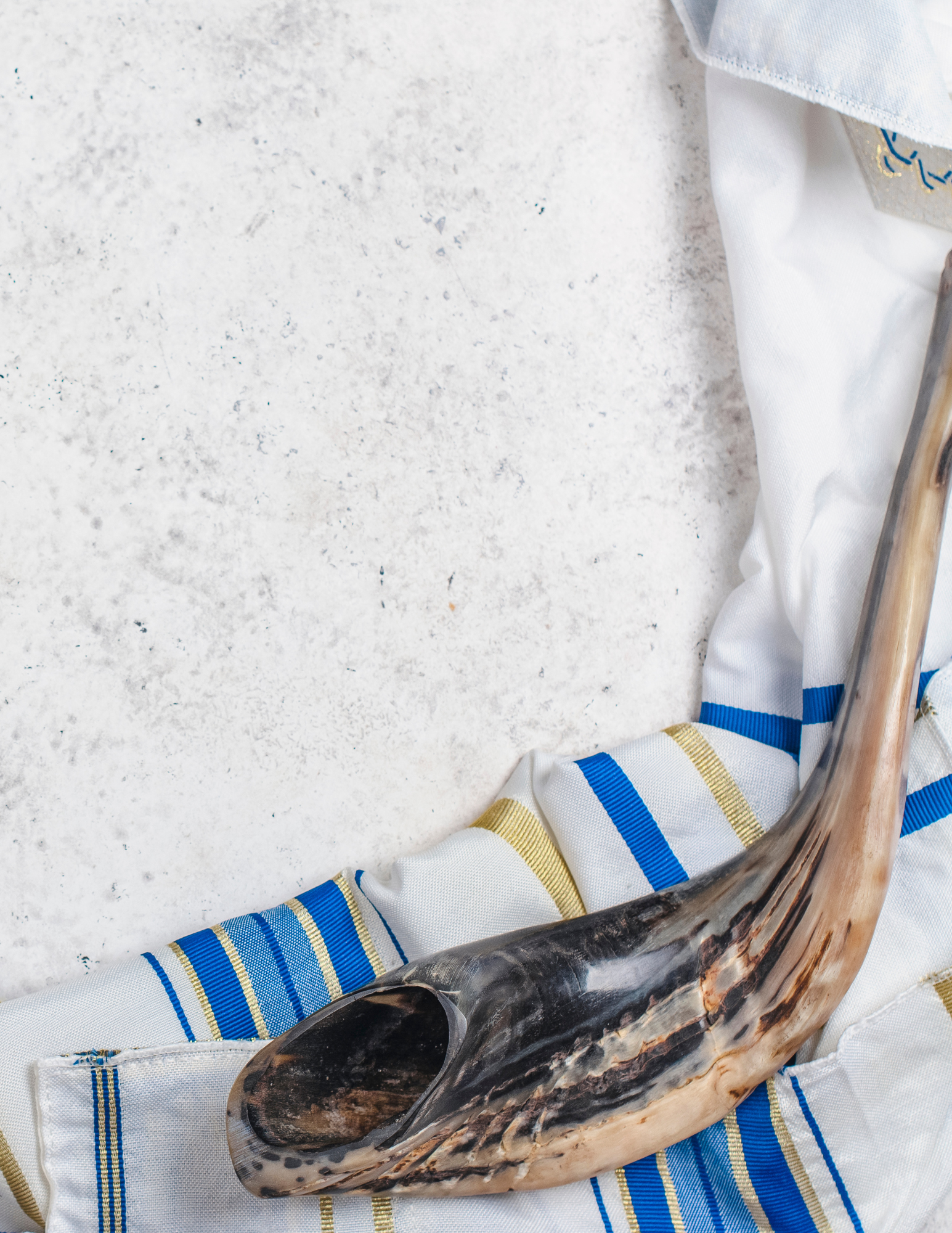
The shofar is our ancient, animalistic alarm clock. Hearing it tells us to wake up and it's a mitzvah, a commandment to hear its call. We say the first blessing before the shofar is sounded, then we say shehecheyanu, the blessing for milestones, to mark the occasion.
Baruch ata Adonai Eloheinu melekh ha-olam asher kidshanu b’mitzvotav v’tzivanu lishmoa kol shofar.
Blessed are You, Adonai our God, Ruler of the universe, who has made us holy with commandments, and who has commanded us to hear the voice of the shofar.
Baruch ata Adonai Eloheinu melekh ha-olam shehecheyanu v’kiyimanu v’higiyanu lazman ha-zeh.
Blessed are You, Adonai our God, Ruler of the universe, for giving us life, for sustaining us, and for enabling us to reach this season.

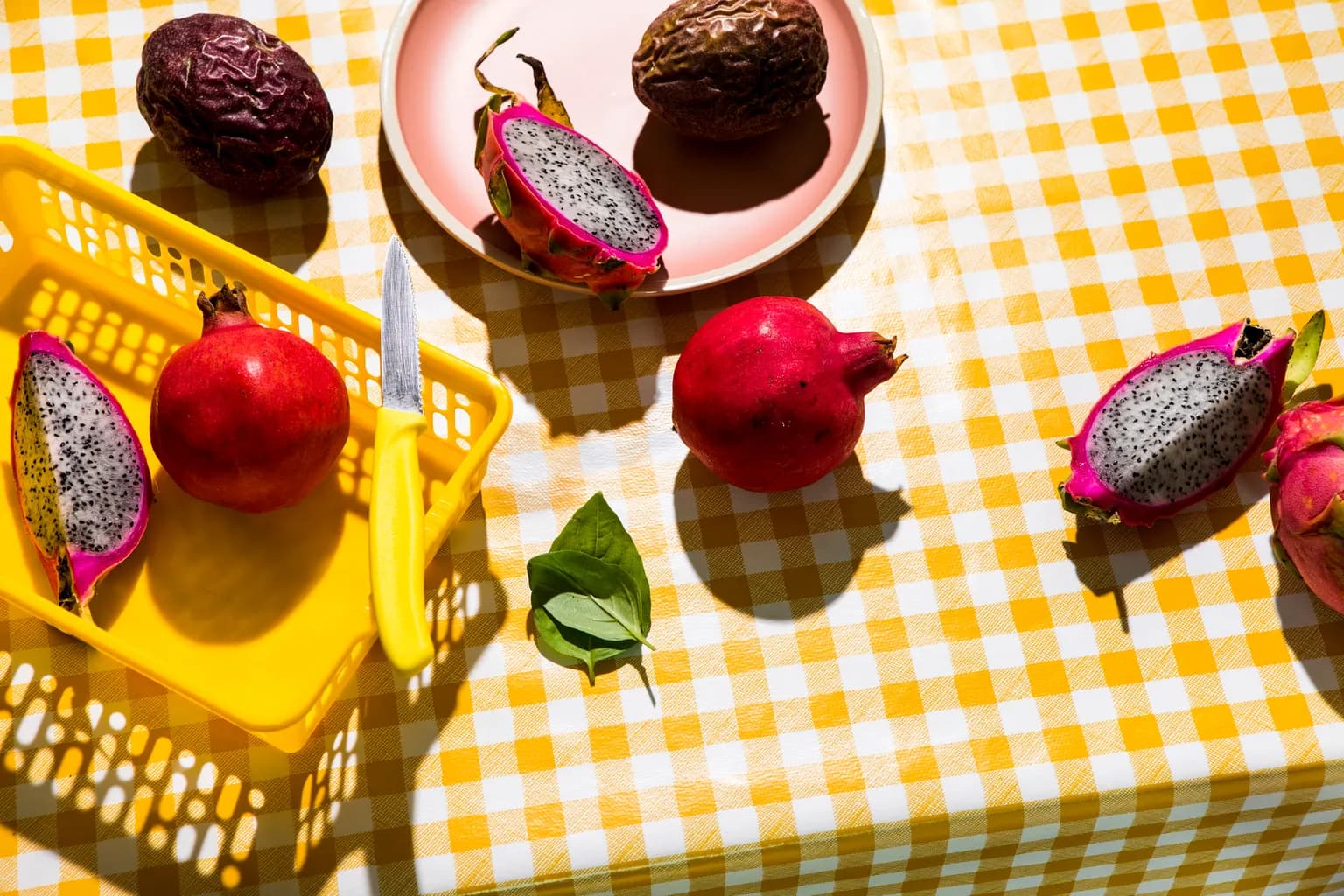
Rosh Hashanah Seder Plate Foods (Simanim)
Preview
More
We Remember Them
by Sylvan Kamens & Rabbi Jack Riemer
At the rising sun and at its going down; We remember them.
At the blowing of the wind and in the chill of winter; We remember them.
At the opening of the buds and in the rebirth of spring; We remember them.
At the blueness of the skies and in the warmth of summer; We remember them.
At the rustling of the leaves and in the beauty of the autumn; We remember them.
At the beginning of the year and when it ends; We remember them.
As long as we live, they too will live, for they are now a part of us as We remember them.
When we are weary and in need of strength; We remember them.
When we are lost and sick at heart; We remember them.
When we have decisions that are difficult to make; We remember them.
When we have joy we crave to share; We remember them.
When we have achievements that are based on theirs; We remember them.
For as long as we live, they too will live, for they are now a part of us as, We remember them.
We Remember Them
Preview
More
יִתְגַּדַּל וְיִתְקַדַּשׁ שְׁמֵהּ רַבָּא. בְּעָלְמָא דִּי בְרָא כִרְעוּתֵהּ וְיַמְלִיךְ מַלְכוּתֵהּ בְּחַיֵּיכוֹן וּבְיוֹמֵיכוֹן וּבְחַיֵּי דְכָל בֵּית יִשְׂרָאֵל, בַּעֲגָלָא וּבִזְמַן קָרִיב. וְאִמְרוּ אָמֵן
יְהֵא שְׁמֵהּ רַבָּא מְבָרַךְ לְעָלַם וּלְעָלְמֵי עָלְמַיָּא
יִתְבָּרֵךְ, וְיִשְׁתַּבַּח,וְיִתְפָּאֵר, וְיִתְרוֹמֵם, וְיִתְנַשֵּׂא, וְיִתְהַדָּר, וְיִתְעַלֶּה, וְיִתְהַלָּל, שְׁמֵהּ דְקֻדְשָׁא בְּרִיךְ הוּא. לְעֵלָּא מִן כָּל בִּרְכָתָא וְשִׁירָתָא,תֻּשְׁבְּחָתָא וְנֶחֱמָתָא, דַּאֲמִירָן בְּעָלְמָא, וְאִמְרוּ אָמֵן
יְהֵא שְׁלָמָה רבָּא מִן שְׁמַיָּא וְחַיִּים עָלֵינוּ וְעַל כָּל יִשְֹרָאֵל,וְאִמְרוּ אָמֵן
עשֶֹׁה שָׁלוֹם בִּמְרוֹמָיו הוּא יַעֲשֶֹה שָׁלוֹם עָלֵינוּ וְעַל כָּל יִשְֹרָאֵל וְעַל כָּל יוֺשְׁבֵי תֵבֶל, וְאִמְרוּ אָמֵן
Mourners: Yitgadal v'yitkadash sh'mei raba b'alma di-v'ra chirutei, v'yamlich malchutei b'chayeichon uvyomeichon uvchayei d'chol beit yisrael, ba'agala uvizman kariv, v'im'ru: "amen."
Everyone: Y'hei sh'mei raba m'varach l'alam ul'almei almaya.
Mourners: Yitbarach v'yishtabach, v'yitpa'ar v'yitromam v'yitnaseh, v'yithadar v'yit'aleh v'yit'halal sh'mei d'kud'sha, b'rich hu, l'eila min-kol-birchata v'shirata, tushb'chata v'nechemata da'amiran b'alma, v'im'ru: amen.
Y'hei shlama raba min-sh'maya v'chayim aleinu v'al-kol-yisrael, v'im'ru: amen.
Oseh shalom bimromav, hu ya'aseh shalom aleinu v'al kol-yisrael, v'al kol-yoshvei teivel, v'imru: amen.
Mourners: May the Name that fills all names be blessed and strengthened in this created world.
May the Breath of Life that fills all breaths fill us with Life, and may it guide and rule our actions and visions, in our lives and in our time, now in this world, and in every moment to come.
And let us say: Amen.
Everyone: May that great Name be blessed within us and in all worlds, for all time.
Mourners: May Holiness stream forth from its Source, full of blessing and beauty. May the Name that weaves all Life be blessed and praised, made beautiful and resplendent, lifted up and exalted, to the highest and most majestic. Blessed be! Beyond all the praises and blessings and songs and prayers that can ever be said in the whole world. And let us say:
Everyone: Amen.
Mourners: May the Life and Love within us and between us be strengthened. May the Breath that fills all breaths fill the Cosmos with Peace, and may Peace and Life flow to us, to our community, to all peoples, and to all beings in this world. And let us say:
Everyone: Amen.
Mourners: The One who makes Peace in the furthest reaches of Creation will bring Peace to us and to all living beings. And let us say:
Everyone: Amen.
Traditional Mourner's Kaddish
Preview
More
showing
1-6
of
364
Page
1
of
61
Featured ritual books
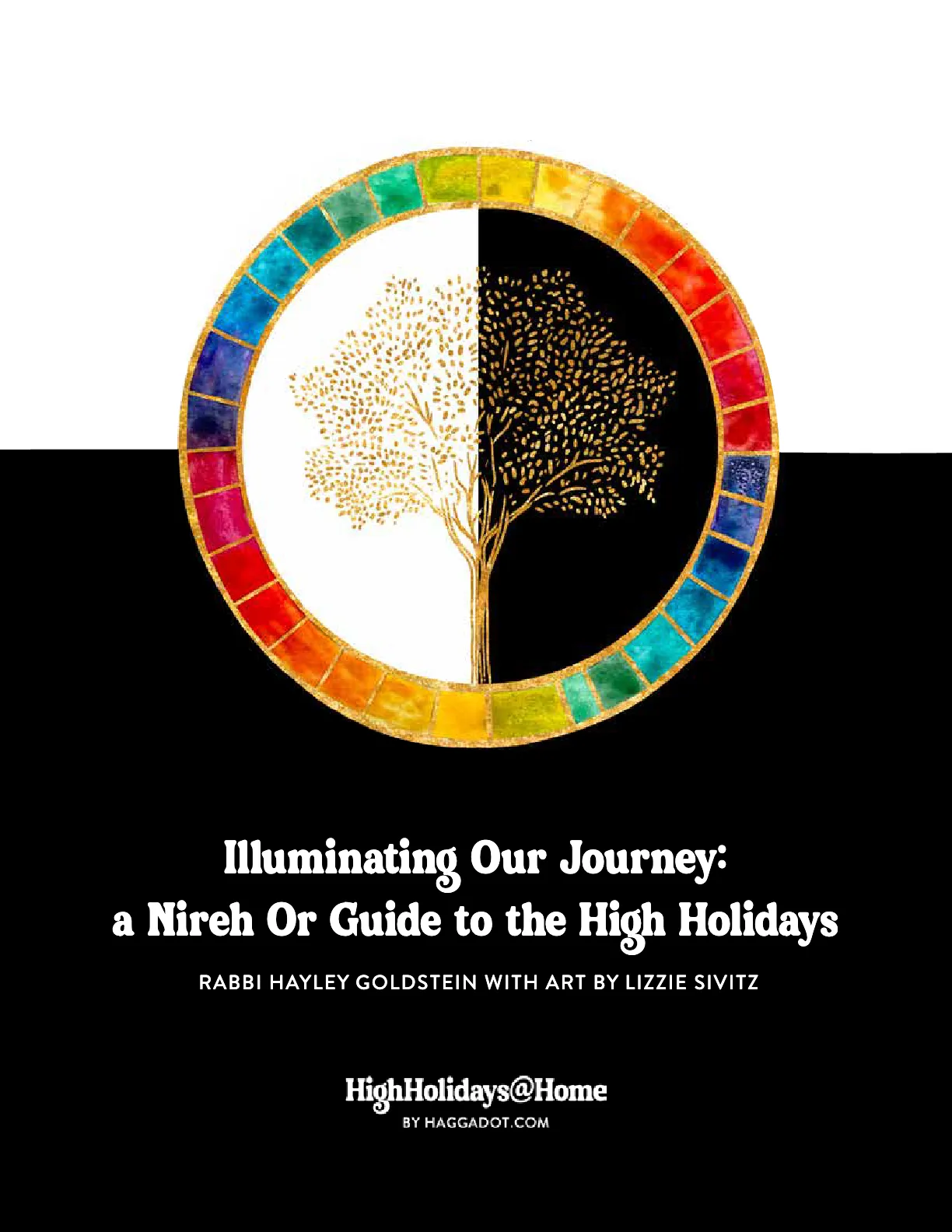
Illuminating Our Journey: High Holidays Guidebook
Preview
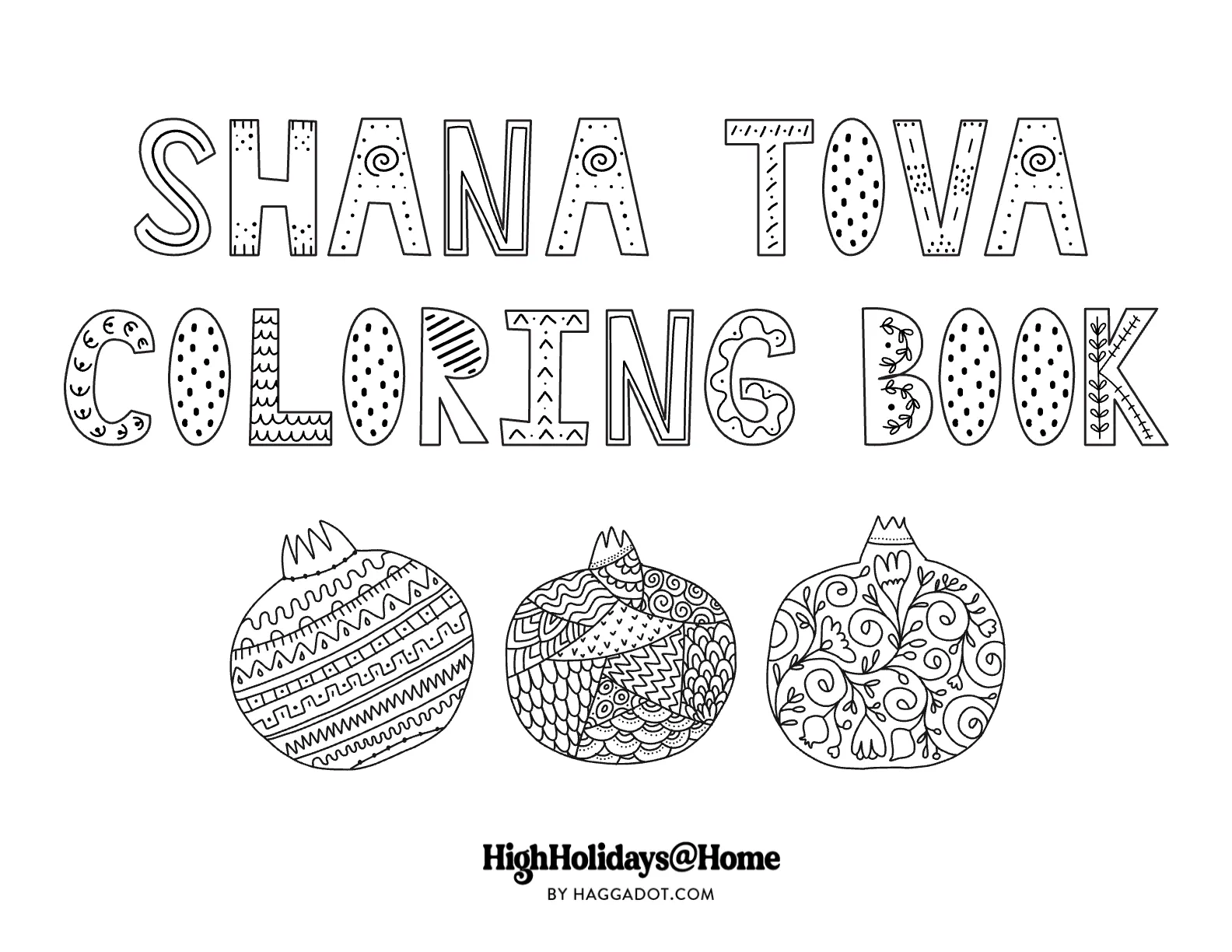
Shana Tova Coloring Book
Preview
High Holidays-Inspired Workbook
Preview
showing
1-6
of
72
Page
1
of
12