Death is a part of life. Whether you’re planning for the end of a life, navigating a recent loss or remembering a loved one, Jewish rituals are designed to bring you peace and comfort during these challenging times. Learn about sitting shiva, explore Jewish funeral customs and blessings, and find end-of-life rituals that feel right for you and your family.
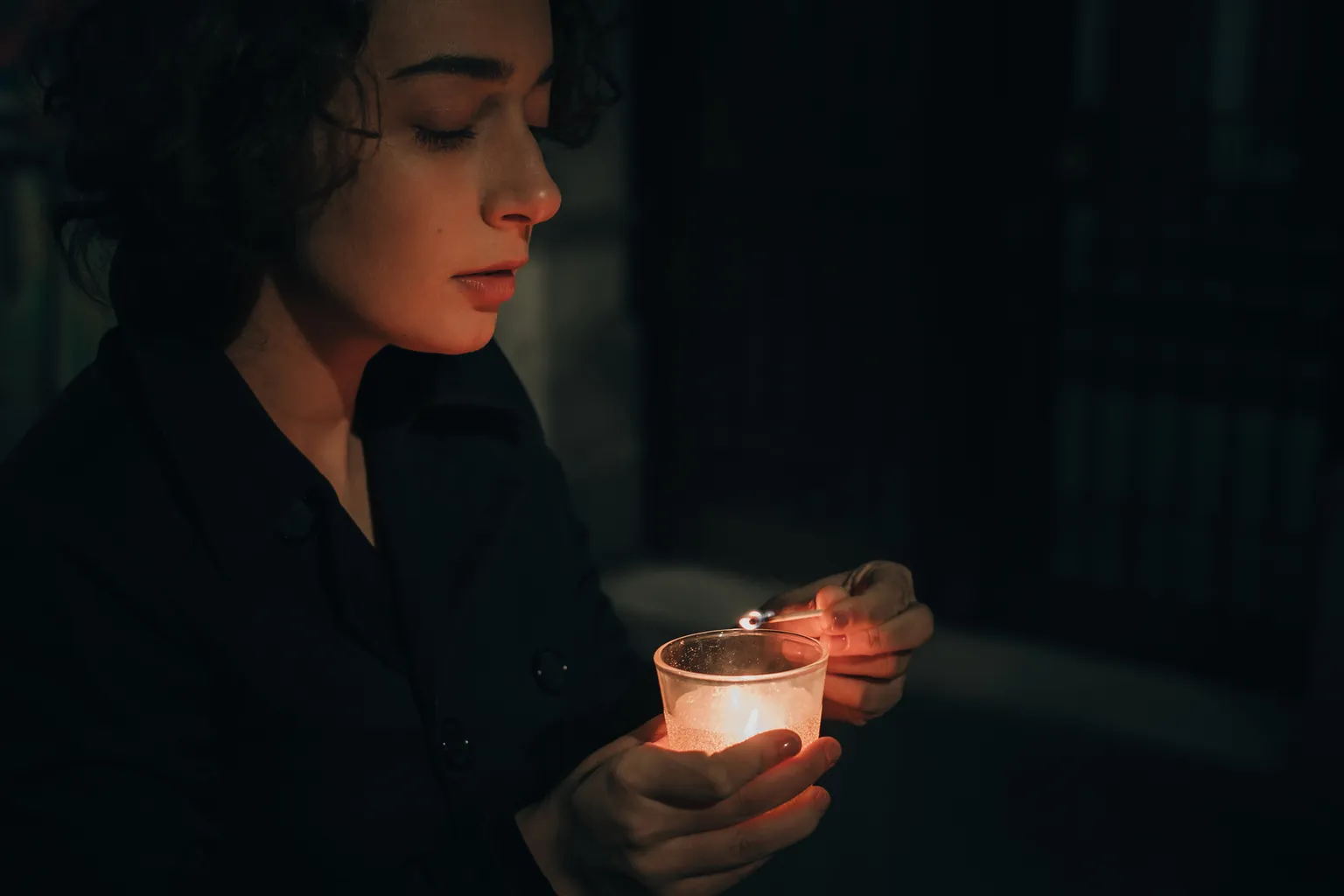
Learn more about Jewish rituals to honor the
end of a life
Coming to terms with our own mortality can help us better appreciate the life we have today. The Torah teaches us to “choose life,” and that it is never too early to communicate our end-of-life wishes to the important people in our lives. Though it may feel easier to avoid these difficult conversations, when we neglect them, we risk falling into crisis when the inevitable happens.
“Shiva” literally means “seven” in Hebrew, as in the seven days of mourning following a burial. Children, spouses, siblings, and parents of the deceased are traditionally obligated to sit shiva. During a shiva period, Jewish mourners stay at home while their family and friends take care of their basic needs by sending or preparing food, and visiting to offer comfort. The idea is to give mourners the time and space they need to process their grief and cope with the recent loss.
There are certain rules and traditions that are typically followed during a shiva. For example, the front door is left open for those paying a condolence visit and the mourner is exempt from needing to greet guests during shiva. Visitors typically bring food for the mourners, and eggs are eaten at the first meal following burial because they symbolize life. All mirrors in the shiva home are covered, as mourners are unconcerned with vanity during this period. Mourners also do not wear shoes (though they may wear slippers), while visitors who are not in mourning keep their shoes on. Mourners often sit on low stools or chairs, as they are experiencing grief and are likely not comforted by material objects such as plush couches and chairs. After shiva ends, it is customary for mourners to take a walk around the block to signify reentry into the world before actually returning to work and other worldly tasks. For more, take a look at our Shiva Ritual.
Yizkor is a prayer of remembrance that is recited four times a year in Jewish tradition, often as a community, to collectively remember and honor those who are no longer with us. It is said on Yom Kippur, and on each of the three “pilgrimage” holidays: the last day of Passover, the second day of Shavuot in the diaspora and the first day of Shavuot in Israel, and on Shemini Atzeret. Yizkor is generally recited following the Torah service, while the Torahs are still out of the ark during the morning service in a synagogue. For more, download our Yizkor Ritual.
Jewish burial ceremonies typically happen within 24 hours of someone dying. They are usually closed casket services that take place at a funeral home, a synagogue, or graveside. Jewish funerals are most often officiated by a rabbi, but can also be led by others, and they are a time to say prayers, blessings, and give a eulogy. It is common for mourners and attendees to participate in the burial by helping to shovel soil onto the casket after it is lowered into the ground–this provides loved ones with an opportunity to say goodbye and find closure so that the grieving process may begin.
An unveiling ceremony is an opportunity to return to a grave and “uncover” a headstone. It typically happens around one year following a death to mark the formal end of the grieving process, but can be done at any time earlier or later than that. Unveiling ceremonies do not have a set liturgy or traditional ritual, but many people choose to recite kaddish in the presence of 10 Jewish adults over the age of 13, and may also recite, or substitute if there are fewer than 10 Jewish adults present, the El Maleh Rachamim memorial prayer.
Prior to the ceremony, the headstone is covered with a cloth, and then during the ceremony the cloth is removed. Some may use a cloth that has personal meaning, sometimes a tablecloth or a scarf that belonged to the deceased. Following the unveiling, those in attendance often place a rock or pebble on the headstone instead of flowers. You may wish to gather for a meal after, similar to the meal of consolation following a funeral. Some have the custom of washing the hands (without a blessing) upon exiting the cemetery, or upon arriving home after having visited a cemetery.
A yahrzeit is the anniversary of a Jewish death. To honor a yahrzeit, it is traditional to say kaddish and to light a 24-hour candle. Some may sponsor a meal at synagogue in memory of their loved one on or near the anniversary; others may mark the day at home with the sharing of stories about the one who has died, or studying Jewish texts in their memory, or even eating their favorite foods. The Yahrzeit is generally observed on the date of the death according to the Hebrew lunar calendar, with the day beginning and ending at sundown. For more ways to honor a yahrzeit, download our Yahrzeit Ritual.
Mix-and-match
Explore content in our extensive library and pull it together into your own Jewish ritual booklet that honors and recognizes whatever life has brought your way.
Share a ritual
Add your own original content as a clip to our extensive library - a poem, blessing, or something else entirely. Someone out there is looking for exactly what only you can create.
Support us
with your donation.
Help us build moments of meaning and connection through home-based Jewish rituals.
Featured ritual books
Vidui: Rituals for Release
Preview
We Remember: Yizkor
Preview

Honoring the Anniversary of October 7
Preview
First Year of Grief
Preview

Saying Kaddish
Preview
showing
1-6
of
19
Page
1
of
4
Featured clips
יִתְגַּדַּל וְיִתְקַדַּשׁ שְׁמֵהּ רַבָּא. בְּעָלְמָא דִּי בְרָא כִרְעוּתֵהּ וְיַמְלִיךְ מַלְכוּתֵהּ בְּחַיֵּיכוֹן וּבְיוֹמֵיכוֹן וּבְחַיֵּי דְכָל בֵּית יִשְׂרָאֵל, בַּעֲגָלָא וּבִזְמַן קָרִיב. וְאִמְרוּ אָמֵן
יְהֵא שְׁמֵהּ רַבָּא מְבָרַךְ לְעָלַם וּלְעָלְמֵי עָלְמַיָּא
יִתְבָּרֵךְ, וְיִשְׁתַּבַּח,וְיִתְפָּאֵר, וְיִתְרוֹמֵם, וְיִתְנַשֵּׂא, וְיִתְהַדָּר, וְיִתְעַלֶּה, וְיִתְהַלָּל, שְׁמֵהּ דְקֻדְשָׁא בְּרִיךְ הוּא. לְעֵלָּא מִן כָּל בִּרְכָתָא וְשִׁירָתָא,תֻּשְׁבְּחָתָא וְנֶחֱמָתָא, דַּאֲמִירָן בְּעָלְמָא, וְאִמְרוּ אָמֵן
יְהֵא שְׁלָמָה רבָּא מִן שְׁמַיָּא וְחַיִּים עָלֵינוּ וְעַל כָּל יִשְֹרָאֵל,וְאִמְרוּ אָמֵן
עשֶֹׁה שָׁלוֹם בִּמְרוֹמָיו הוּא יַעֲשֶֹה שָׁלוֹם עָלֵינוּ וְעַל כָּל יִשְֹרָאֵל וְעַל כָּל יוֺשְׁבֵי תֵבֶל, וְאִמְרוּ אָמֵן
Mourners: Yitgadal v'yitkadash sh'mei raba b'alma di-v'ra chirutei, v'yamlich malchutei b'chayeichon uvyomeichon uvchayei d'chol beit yisrael, ba'agala uvizman kariv, v'im'ru: "amen."
Everyone: Y'hei sh'mei raba m'varach l'alam ul'almei almaya.
Mourners: Yitbarach v'yishtabach, v'yitpa'ar v'yitromam v'yitnaseh, v'yithadar v'yit'aleh v'yit'halal sh'mei d'kud'sha, b'rich hu, l'eila min-kol-birchata v'shirata, tushb'chata v'nechemata da'amiran b'alma, v'im'ru: amen.
Y'hei shlama raba min-sh'maya v'chayim aleinu v'al-kol-yisrael, v'im'ru: amen.
Oseh shalom bimromav, hu ya'aseh shalom aleinu v'al kol-yisrael, v'al kol-yoshvei teivel, v'imru: amen.
Mourners: May the Name that fills all names be blessed and strengthened in this created world.
May the Breath of Life that fills all breaths fill us with Life, and may it guide and rule our actions and visions, in our lives and in our time, now in this world, and in every moment to come.
And let us say: Amen.
Everyone: May that great Name be blessed within us and in all worlds, for all time.
Mourners: May Holiness stream forth from its Source, full of blessing and beauty. May the Name that weaves all Life be blessed and praised, made beautiful and resplendent, lifted up and exalted, to the highest and most majestic. Blessed be! Beyond all the praises and blessings and songs and prayers that can ever be said in the whole world. And let us say:
Everyone: Amen.
Mourners: May the Life and Love within us and between us be strengthened. May the Breath that fills all breaths fill the Cosmos with Peace, and may Peace and Life flow to us, to our community, to all peoples, and to all beings in this world. And let us say:
Everyone: Amen.
Mourners: The One who makes Peace in the furthest reaches of Creation will bring Peace to us and to all living beings. And let us say:
Everyone: Amen.
Soul Nidre
By Rachel Kann
I said I did my best,
but I know there is better yet
within this lonely bag of bones,
forgive me.
I tried, but not hard enough,
forgive me.
I gave up,
forgive me.
I disrespected my inner wisdom,
forgive me.
I lied when I said I was fine,
I’m not fine,
forgive me.
I took your pure love for granted,
mishandled your divinity,
forgive me.
I swept my indiscretions under the rug
instead of addressing them,
forgive me.
I lusted and succumbed to my hunger,
forgive me.
I fell in love with my own woundedness,
forgive me.
I have transgressed in ways I am cannot even name,
my shame so deep
I am unable to awaken
to the full brunt
of my inner wickedness.
I gave up,
I tangoed with my death wish,
I let fear win,
I hid my brightness,
I dimmed my light,
I denied my own power,
I lurked in shadows,
acted like I didn’t matter,
shattered my own scattershot heart,
forgive me.
I lacked faith,
forgive me.
I/Me/Us/We did not trust,
forgive us.
Excerpt from Soul Nidre, originally published in Hevria
Remember.
Remember the blessings of those who no longer walk this earth.
Remember each name, each life-story.
Remember on behalf of those whose memory fails.
Remember with love the sweet and the bittersweet.
Remember with forgiveness the hurt and misunderstanding.
Remember with insight so you might experience deeper meaning.
Remember through the pain until you can touch the joy and find comfort.
Remember through dreams left unfulfilled and choose one to fulfill.
Remember through your heart.
Remember through your actions.
Remember through living with kindness, generosity and forgiveness.
Remember by planting memories and helping them take root in the living.
Remember by opening your heart even if you thought it was closed forever.
Remember to live your own life as a blessing.
Remember to do all this.
Remember and you will be remembered.
Remember.
-by Rabbi Nina Mizrahi
____
Originally published by The Open Siddur Project
Clip source: The Shomer Collective
Yizkor: Instructions for Remembering by Rabbi Nina Mizrahi
Preview
More
אֵל מָלֵא רַחֲמִים, שׁוֹכֵן בַּמְּרוֹמִים, הַמְצֵא מְנוּחָה נְכוֹנָה עַל כַּנְפֵי הַשְּׁכִינָה, בְּמַעֲלַת קְדוֹשִׁים וּטְהוֹרִים כְּזֹהַר הָרָקִיעַ מַזְהִירִים, אֶת נִשְׁמַת (שם הנפטר בן שם אביו) שֶׁהָלַךְ לְעוֹלָמוֹ, בַּעֲבוּר שֶׁבְּלִי נֶדֶר אֶתֵּן צְדָקָה בְּעַד הַזְכַּרַת נִשְׁמָתוֹ, בְּגַן עֵדֶן תְּהֵא מְנוּחָתוֹ, לָכֵן בַּעַל הָרַחֲמִים יַסְתִּירֵהוּ בְּסֵתֶר כְּנָפָיו לְעוֹלָמִים, וְיִצְרוֹר בִּצְרוֹר הַחַיִּים אֶת נִשְׁמָתוֹ, יְיָ הוּא נַחֲלָתוֹ, וְיָנוּחַ עַל מִשְׁכָּבוֹ בְּשָׁלוֹם. וְנֹאמַר אָמֵן.
El Maleh Rachamim, shocheyn bam’romim, ham-tzay m’nucha n’chona al kanfei Hash’china, b’ma-alot kedoshim utehorim k’zo-har haraki-a mazhirim, et nishmat (Name of the Deceased) she-halcha l-olomoh, ba-avur shenodvu tzedakah b’ad hazkarat nishmatah. B’Gan Ayden t’hay menuchatah; la-chayn Ba-al Harachamim yas-tire-ha besayter k'nafav l’olamim, v’yitz-ror bitz-ror hacha-yim et nishmatah, Ado-nay Hu na-chalatah, v’tanu-ach b’shalom al mishkavah. V’nomar: Amen.
God, full of compassion, dwelling as uplift and within, grant perfect rest under Your sheltering Presence, among the holy and pure who shine with heavenly splendor, to the soul of our dear one who has gone to his/her/their reward. May the Garden of Eternity be his/her/their rest. Please, Power of Compassion, shade him/her/them in the shadow of Your wing forever. May his/her/their soul be bound in the bonds of eternal life. May Adonai be his/her/their inheritance, and may he/she/they rest in peace. And let us say, Amen.
Source: Adapted from Sefaria Community Translation by Rabbi Melanie Levav
Clip source: The Shomer Collective
El Maleh Rachamim, Adapted by Rabbi Melanie Levav
Preview
More
In memory of Roberta and Michael Laric z”l
Aharon was silent in the face of death.
Sometimes there are no words
And sometimes words are all we have
To communicate
To commiserate
To comfort.
HaMakom yenachem etchem btoch sh’ar aveilei tzion v'yerushalayim
“May God comfort you among the mourners of Zion
And Jerusalem”
Falls so short
And yet the very formula
Grants grace
Giving us words to fill the silence
Linking our discomfort to the discomfort of ages
And ages of comforters
Standing at graveside
Sitting at shiva
Wishing we could do more.
Sometimes there are no words
And sometimes words are all we have
That and a hand on a shoulder
A tear in the throat
A heart overflowing
And the promise to come
When everyone else has left
So, though bereft,
The mourner is not abandoned.
-by Rabbi Susan Grossman
—
© Copyright. Rabbi Susan Grossman, 2022. Shared with author’s permission.
Aharon Was Silent in the Face of Death by Rabbi Susan Grossman
Preview
More
Apologia
By Rachel Kann
Forgive me,
I have done it all wrong.
In every way that I hoped not to act,
I have failed.
Forgive me,
I love you beyond logic
Where the loudest blossoms shout yellow, pink.
Listen to the fragrance of bloom.
Inhale the whisper of nature.
My lips part for your kiss only.
You know my mouth’s deep intimacy.
This is my long-form farewell tour.
I am but a bank of buttons and knobs
Laid plain for you to press up against.
This is past chest-pounding,
This is specific,
Forgive me
For whispering in symbols while
I watch stars dance between palm fronds.
showing
1-6
of
79
Page
1
of
14