showing
1-6
of
11
Page
1
of
2
Lentil by Rodger Kamenetz
“For mourning is a sphere
Making a circuit in the world”
So do not be surprised when it appears
next door or even nearer.
And what shall we eat for mourning
but a lentil round as a mouth
that is closed
What shall we say to them on the morning of a day
when no words are good, only
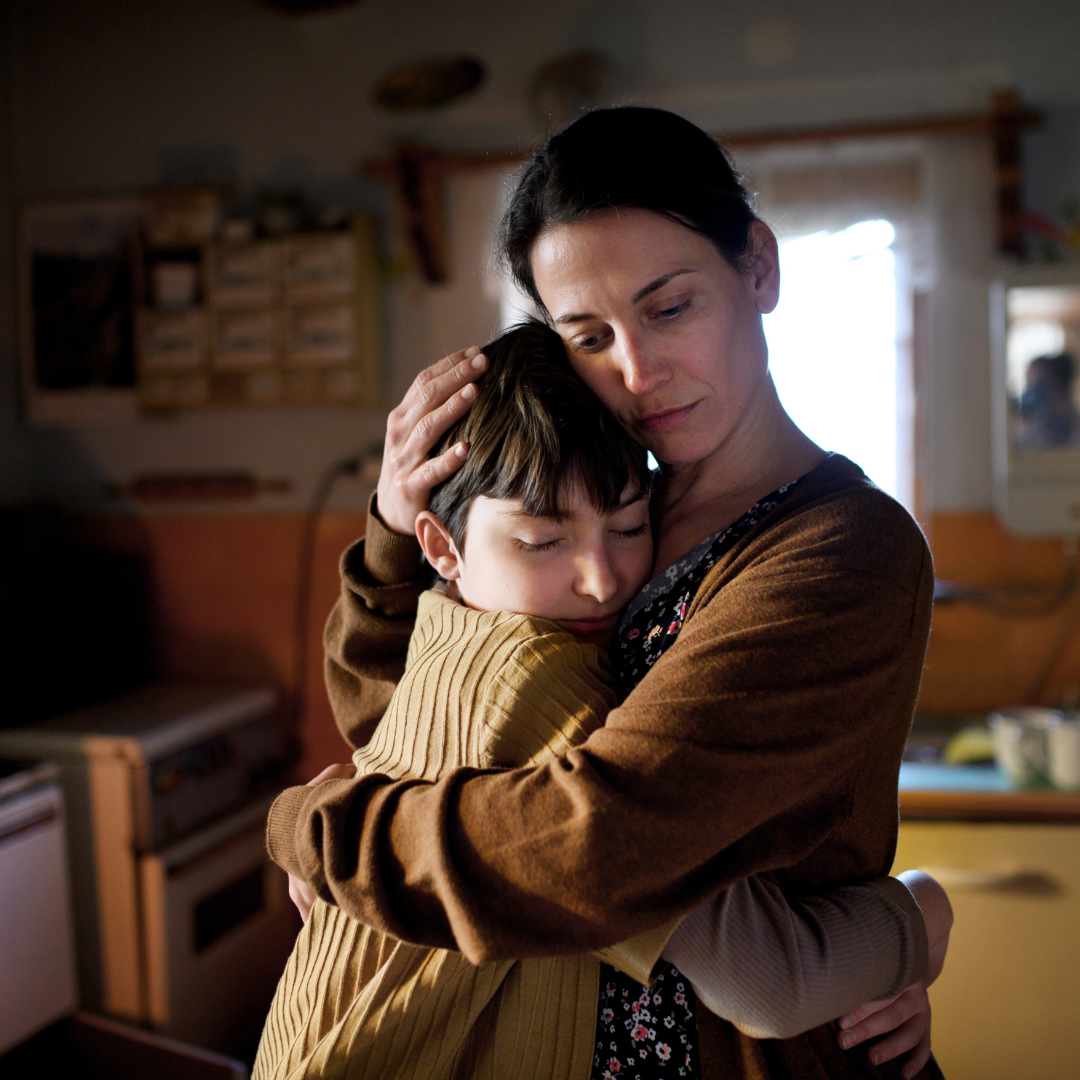
the touch of a hand, an embrace?
See them there: one silent, one shuddering
making one body of two, a perfect round.
From: Beside Still Waters, available for download and purchase
Remember, God, the soul of my father, my teacher ( the name of the father, son of the name of his father or mother), who went to his world, because I will - without making a vow - give charity for him. In recompense for this, let his soul be bound with the Binding of life (God), with the soul of Avraham, Yitzchak and Ya'akov, Sarah, Rivkah, Rachel and Leah, and with the other righteous men and women in the Garden of Eden. And let us say, Amen.
El Maleh Rachamim
O Power, full of mercy, who dwells on high, establish proper rest upon the wings of the Divine Presence, on the levels of the holy and pure ones [who] shine like the splendor of the firmament, [for] the soul of ( the name of the departed, son of the name of his father or mother ) who went to his world, because I will - without making a vow - give charity for the memory of his soul; let his rest be in the Garden of Eden. Hence, Master of mercy, cover him in the cover of His wings forever and bind his soul with the Binding of life (God). God is his inheritance and let him rest upon his place of repose in peace. And let us say Amen.
“When will I be myself again?”
Some Tuesday, perhaps,
In the late afternoon,
Sitting quietly with a cup of tea
And a cookie;
Or Wednesday, same time or later,
You will stir from a nap and see her;
You will pick up the phone to call her;
You will hear her voice – unexpected advice –
And maybe argue.
And you will not be frightened,
And you will not be sad,
And you will not be alone,
Not alone at all,
And your tears will warm you.
But not today,
And not tomorrow,
And not tomorrow’s tomorrow,
But someday,
Some Tuesday, late in the afternoon,
Sitting quietly with a cup of tea
And a cookie
And you will be yourself again.
From: Beside Still Waters, available for download and purchase.
When Will I Be Myself Again? By Rabbi Lewis Eron
Preview
More
Shiva literally means “seven,” as in the seven days of mourning following the burial. This period of intense mourning spans a week, though some people observe shiva for fewer days.
During this time immediately after our loved one is buried, mourners stay at home, with family and friends taking care of their basic needs, sending or preparing food, and visiting to offer comfort. It is often referred to as “sitting shiva,” because in this period of grief, we are invited to simply sit and be with all of our feelings. Loved ones gather daily to say prayers and to share memories of the person who has died.
Clip source: The Shomer Collective
This secular prayer is intended to celebrate the ordinary and cherished existence of the person who has died (rather than the celebration of faith to a deity). It is offered as a non-religious alternative to the traditional Kaddish prayer so that a secular person might recite it in good conscience, finding solace in reverence for life.
We celebrate the spark which illuminates life and fades at death, and we accept this great mystery.
In this world that is created new with each sunrise, we open the robe of [ 's] existence,
crafted of fabric woven from every ordinary day, with innumerable pockets sheltering all the
moments and purposes that comprise a full life. A robe embellished with joys and accomplishments, made shiny at the seat by sharing life's table, frayed at the cuffs by sorrows,
worn at the elbows from the labors of living.
May remembering [ ] be a blessing.
May the humor, common sense, and skills that [ ] honed in life remain a contribution to the family and the community. And may [ 's] mistakes and challenges be remembered so that
the wisdom earned from their lessons learned will also stay with us.
May remembering [ ] be a blessing.
In this world where [ ] learned, labored, and loved may their existence continue to radiate goodness, and may the things [ ] created be put to use and appreciated.
May remembering [ ] be a blessing.
May our hearts beat steadily together in the rhythm of life as we remember [ ] in the fullness of themself, and release [ ] now in love.
May remembering [ ] be a blessing to all.
-by Dina Stander
Clip source: The Shomer Collective
May Remembering Be a Blessing by Dina Stander
Preview
More
Though this ritual is designed to be done in advance of the soul accounting we do on Yom Kippur, it may be used at any time of the year to reflect on your mortality and prepare for having these end-of-life conversations. You can complete one or more of the seven questions below, as you wish.
Keep revisiting and revising until you feel it truly reflects your thoughts and feelings. Consider if and when it fits into your Jewish New Year preparations, or if it makes sense at another time of reflection. Whenever you choose to write this letter, review it each year and update as needed. And remember, this can be sensitive and emotional work. Please proceed with caution.
Annual Life Review Task 1: Acknowledging Relationships
Think about the people who have figured prominently in your life in the last year. What are their names?
Annual Life Review Task 2: Remembering Key Moments
Recall meaningful moments in your life that occurred in the last year. Can you describe them?
Annual Life Review Task 3: Asking for Forgiveness
Write the names of the people who you may have hurt in the last year. Use this opportunity to consider how and when you may ask for their forgiveness.
Annual Life Review Task 4: Forgiving Others or Moving Through the Hurt
Write the names of the people who have hurt you in the last year. Consider how and when to forgive or move through the hurt.
Annual Life Review Task 5: Saying "Thank You"
Write the names of the people in your life you wish to thank based on your life over the last year. Use this opportunity to identify what they did for you, why you are thankful, and how and when you want to express your gratitude.
Annual Life Review Task 6: Saying "I Love You"
Write the names of the people in your life for whom you have felt love in the last year. How and when might you express this love to them ahead of the new year?
Annual Life Review Task 7: Saying "Goodbye"
What or who do you want to say goodbye to based on your life in the last year? Consider what or who you would like to let go from the past year.
Lentil by Rodger Kamenetz
“For mourning is a sphere
Making a circuit in the world”
So do not be surprised when it appears
next door or even nearer.
And what shall we eat for mourning
but a lentil round as a mouth
that is closed
What shall we say to them on the morning of a day
when no words are good, only
the touch of a hand, an embrace?
See them there: one silent, one shuddering
making one body of two, a perfect round.
From: Beside Still Waters, available for download and purchase
Remember, God, the soul of my father, my teacher ( the name of the father, son of the name of his father or mother), who went to his world, because I will - without making a vow - give charity for him. In recompense for this, let his soul be bound with the Binding of life (God), with the soul of Avraham, Yitzchak and Ya'akov, Sarah, Rivkah, Rachel and Leah, and with the other righteous men and women in the Garden of Eden. And let us say, Amen.
El Maleh Rachamim
O Power, full of mercy, who dwells on high, establish proper rest upon the wings of the Divine Presence, on the levels of the holy and pure ones [who] shine like the splendor of the firmament, [for] the soul of ( the name of the departed, son of the name of his father or mother ) who went to his world, because I will - without making a vow - give charity for the memory of his soul; let his rest be in the Garden of Eden. Hence, Master of mercy, cover him in the cover of His wings forever and bind his soul with the Binding of life (God). God is his inheritance and let him rest upon his place of repose in peace. And let us say Amen.
“When will I be myself again?”
Some Tuesday, perhaps,
In the late afternoon,
Sitting quietly with a cup of tea
And a cookie;
Or Wednesday, same time or later,
You will stir from a nap and see her;
You will pick up the phone to call her;
You will hear her voice – unexpected advice –
And maybe argue.
And you will not be frightened,
And you will not be sad,
And you will not be alone,
Not alone at all,
And your tears will warm you.
But not today,
And not tomorrow,
And not tomorrow’s tomorrow,
But someday,
Some Tuesday, late in the afternoon,
Sitting quietly with a cup of tea
And a cookie
And you will be yourself again.
From: Beside Still Waters, available for download and purchase.
When Will I Be Myself Again? By Rabbi Lewis Eron
Preview
More
Shiva literally means “seven,” as in the seven days of mourning following the burial. This period of intense mourning spans a week, though some people observe shiva for fewer days.
During this time immediately after our loved one is buried, mourners stay at home, with family and friends taking care of their basic needs, sending or preparing food, and visiting to offer comfort. It is often referred to as “sitting shiva,” because in this period of grief, we are invited to simply sit and be with all of our feelings. Loved ones gather daily to say prayers and to share memories of the person who has died.
Clip source: The Shomer Collective
This secular prayer is intended to celebrate the ordinary and cherished existence of the person who has died (rather than the celebration of faith to a deity). It is offered as a non-religious alternative to the traditional Kaddish prayer so that a secular person might recite it in good conscience, finding solace in reverence for life.
We celebrate the spark which illuminates life and fades at death, and we accept this great mystery.
In this world that is created new with each sunrise, we open the robe of [ 's] existence,
crafted of fabric woven from every ordinary day, with innumerable pockets sheltering all the
moments and purposes that comprise a full life. A robe embellished with joys and accomplishments, made shiny at the seat by sharing life's table, frayed at the cuffs by sorrows,
worn at the elbows from the labors of living.
May remembering [ ] be a blessing.
May the humor, common sense, and skills that [ ] honed in life remain a contribution to the family and the community. And may [ 's] mistakes and challenges be remembered so that
the wisdom earned from their lessons learned will also stay with us.
May remembering [ ] be a blessing.
In this world where [ ] learned, labored, and loved may their existence continue to radiate goodness, and may the things [ ] created be put to use and appreciated.
May remembering [ ] be a blessing.
May our hearts beat steadily together in the rhythm of life as we remember [ ] in the fullness of themself, and release [ ] now in love.
May remembering [ ] be a blessing to all.
-by Dina Stander
Clip source: The Shomer Collective
May Remembering Be a Blessing by Dina Stander
Preview
More
Though this ritual is designed to be done in advance of the soul accounting we do on Yom Kippur, it may be used at any time of the year to reflect on your mortality and prepare for having these end-of-life conversations. You can complete one or more of the seven questions below, as you wish.
Keep revisiting and revising until you feel it truly reflects your thoughts and feelings. Consider if and when it fits into your Jewish New Year preparations, or if it makes sense at another time of reflection. Whenever you choose to write this letter, review it each year and update as needed. And remember, this can be sensitive and emotional work. Please proceed with caution.
Annual Life Review Task 1: Acknowledging Relationships
Think about the people who have figured prominently in your life in the last year. What are their names?
Annual Life Review Task 2: Remembering Key Moments
Recall meaningful moments in your life that occurred in the last year. Can you describe them?
Annual Life Review Task 3: Asking for Forgiveness
Write the names of the people who you may have hurt in the last year. Use this opportunity to consider how and when you may ask for their forgiveness.
Annual Life Review Task 4: Forgiving Others or Moving Through the Hurt
Write the names of the people who have hurt you in the last year. Consider how and when to forgive or move through the hurt.
Annual Life Review Task 5: Saying "Thank You"
Write the names of the people in your life you wish to thank based on your life over the last year. Use this opportunity to identify what they did for you, why you are thankful, and how and when you want to express your gratitude.
Annual Life Review Task 6: Saying "I Love You"
Write the names of the people in your life for whom you have felt love in the last year. How and when might you express this love to them ahead of the new year?
Annual Life Review Task 7: Saying "Goodbye"
What or who do you want to say goodbye to based on your life in the last year? Consider what or who you would like to let go from the past year.
showing
1-6
of
201
Page
1
of
34